
As the death toll in Indonesia rises to over 900, the nation grapples with a catastrophic humanitarian crisis exacerbated by environmental degradation and political hesitancy.
Story Overview
- More than 900 people have died due to severe floods and landslides in Sumatra.
- The disaster is linked to climate change and deforestation, intensifying the impact.
- Local authorities are urging for a national emergency declaration, facing resistance from President Prabowo Subianto.
- Survivors are struggling in makeshift camps, highlighting gaps in disaster response.
Devastating Impact of Cyclone-Driven Floods
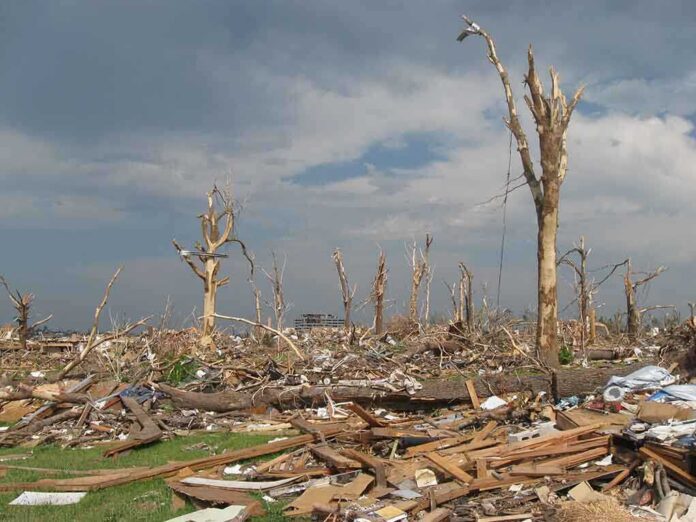
The cyclone-triggered storm that struck Sumatra in early December 2025 has resulted in devastating floods and landslides, claiming more than 900 lives. Aceh Tamiang is among the hardest-hit areas, with entire communities left in ruins. The disaster’s severity is amplified by extensive deforestation in the region, which has weakened natural flood defenses.
Environmental advocates argue that climate change has intensified rainfall patterns, leading to more frequent and destructive flooding events in Southeast Asia. The connection between environmental policies and the severity of natural disasters is becoming increasingly apparent, prompting calls for more sustainable land-use practices.
Calls for National Emergency Declaration
Local authorities in Sumatra are actively seeking a national emergency declaration to access additional resources for rescue and relief efforts. However, President Prabowo Subianto has stated that the situation is improving and existing measures are adequate. This stance has generated tension between local governments demanding increased support and a central government cautious about escalating the response to a national level.
As rescue operations continue, both government and volunteer efforts are focused on locating survivors and providing essential aid. The resilience of local communities and the dedication of volunteers are evident, yet the crisis underscores the need for a more robust, coordinated national disaster response framework.
Humanitarian and Political Implications
The disaster’s aftermath poses significant humanitarian challenges. Thousands are displaced, living in makeshift camps with limited access to clean water and sanitation, raising concerns about potential disease outbreaks. The economic impact is also severe, with extensive damage to homes, infrastructure, and agricultural land, threatening the livelihoods of already vulnerable populations.
Politically, the floods present a major test for President Prabowo’s administration. The response to this disaster will shape public perception of the government’s competence and commitment to addressing climate and environmental issues. The tragedy may prompt renewed scrutiny of policies on deforestation and climate adaptation.
Sources:
More than 900 dead, 274 missing in Indonesia floods