
Pop star Billie Eilish turned the Grammy Awards stage into a political platform by attacking ICE enforcement and declaring American sovereignty illegitimate, revealing how celebrity elites use entertainment venues to undermine border security and constitutional governance.
Story Snapshot
- Billie Eilish used Grammy acceptance speech to slam ICE with phrase “No one is illegal on stolen land”
- Statement combines open-borders rhetoric with radical claim that United States itself is illegitimate
- Grammy Awards platform provides global broadcast for anti-enforcement messaging targeting Trump administration policies
- Recording Academy allowed political activism at event traditionally reserved for celebrating artistic achievement
Celebrity Activism Hijacks Music Awards Ceremony
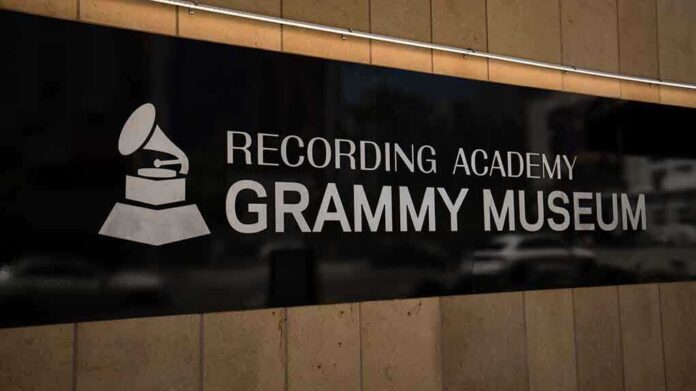
Billie Eilish delivered a politically charged speech during the Grammy Awards ceremony attacking U.S. Immigration and Customs Enforcement with the slogan “No one is illegal on stolen land.” The Recording Academy provided the platform for this statement, which merged open-borders ideology with indigenous land rights rhetoric to challenge federal immigration enforcement. The Grammy broadcast reached millions of viewers worldwide, amplifying Eilish’s message far beyond typical political activism channels. This represents another instance where entertainment industry elites leverage cultural events to advance progressive policy positions rather than focusing on artistic merit and celebration.
Dangerous Rhetoric Undermines Border Security Mission
Eilish’s statement directly attacks ICE, the federal agency responsible for enforcing immigration laws and protecting American borders from illegal entry, human trafficking, and drug smuggling operations. The phrase “no one is illegal” dismisses the fundamental distinction between lawful immigration and illegal border crossing that conservatives fought to restore under President Trump. This rhetoric undermines the rule of law by suggesting immigration enforcement itself is inherently unjust, ignoring that sovereign nations require controlled borders to protect citizens’ safety and economic interests. ICE agents risk their lives daily to defend communities from criminal aliens and cartel violence, making celebrity condemnation particularly offensive to law enforcement families.
Stolen Land Claim Challenges American Legitimacy
The “stolen land” component of Eilish’s statement goes beyond immigration policy to question America’s fundamental right to exist as a sovereign nation. This talking point, borrowed from radical activist movements, frames the entire United States as illegitimate based on historical conflicts with indigenous populations. Such rhetoric ignores centuries of legal development, treaties, property rights, and the constitutional framework that defines American governance. Conservatives recognize this framing as dangerous because it provides ideological cover for dismantling national sovereignty, border enforcement, and the legal structures protecting citizens’ rights. The Grammy stage gave this extreme position mainstream visibility it otherwise wouldn’t receive.
Hollywood Elites Disconnect From Working Americans
Eilish’s Grammy speech exemplifies the growing divide between coastal entertainment elites and everyday Americans who bear the consequences of open-border policies. While celebrities advocate for unlimited immigration from gated communities, working-class citizens face wage suppression, strained public services, and increased crime in their neighborhoods. The Trump administration’s 2025 return to office came precisely because voters rejected this performative activism in favor of practical border security. Conservatives understand that sovereignty and controlled immigration aren’t racist—they’re essential to protecting American workers, maintaining social cohesion, and preserving the constitutional republic. Award shows increasingly function as propaganda venues where wealthy celebrities lecture ordinary citizens about abandoning the national interests that keep communities safe and prosperous.