
The violent arrest of Nobel Peace Prize laureate Narges Mohammadi in Iran raises alarms over the regime’s ongoing crackdown on dissent.
Story Highlights
- Narges Mohammadi, a Nobel laureate, was violently arrested in Tehran by plainclothes security agents.
- This arrest is part of a broader crackdown on journalists and human rights defenders in Iran.
- The incident underscores Iran’s repression of activism related to women’s rights and press freedom.
- Mohammadi’s arrest highlights challenges faced by the international community in protecting human rights figures.
- The situation tests the influence of the Nobel Peace Prize in safeguarding laureates.
Mohammadi’s Arrest: A Stark Message
On December 12, 2025, Narges Mohammadi was violently arrested by plainclothes security agents during a private gathering in Tehran. Reporters Without Borders (RSF) and supporters reported that Mohammadi was detained without a warrant, amid the use of physical force. This event marks the latest chapter in the Iranian regime’s crackdown on dissent, targeting those who champion human rights and women’s freedoms.
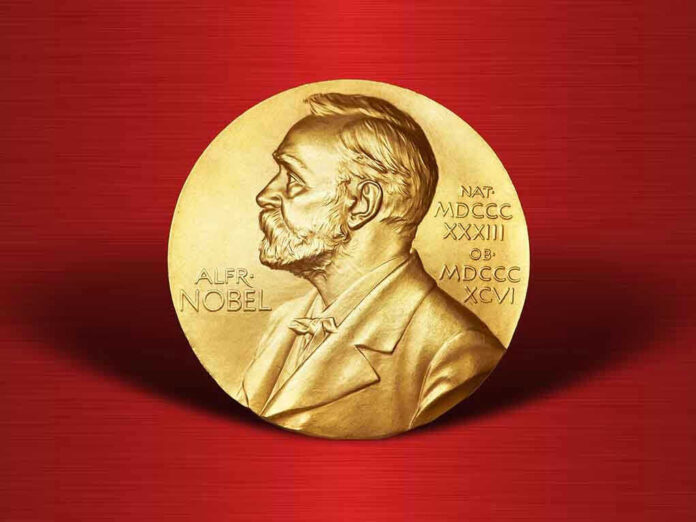
The arrest of Mohammadi comes after her temporary release on medical grounds. Despite her Nobel Peace Prize in 2023 for her work against the oppression of women, Mohammadi has faced repeated imprisonment and harassment for her activism. The Iranian authorities’ actions reflect a pattern of zero tolerance for any form of civil-society organizing.
The International Ramifications
Mohammadi’s arrest has not only local implications but also international ones. The international community, including human rights organizations and foreign governments, faces the challenge of responding effectively to Iran’s actions. The arrest tests the ability of international pressure to protect high-profile activists and raises questions about the practical power of the Nobel Peace Prize.
Iran’s crackdown on journalists and human rights defenders is part of a broader authoritarian context. The regime’s tight control over media and civil society has resulted in Iran being ranked among the worst countries for press freedom. This environment makes it difficult for activists to operate and increases the risk of arbitrary arrests.
Implications for Human Rights and Press Freedom
Mohammadi’s detention sends a chilling message to activists and journalists within Iran. It signals that even Nobel laureates are not safe from state repression, likely leading to increased self-censorship and reluctance to engage in activism. The arrest also poses immediate health and safety risks for Mohammadi, given her pre-existing health issues and history of mistreatment in custody.
International attention and advocacy are expected to spike following Mohammadi’s arrest. The incident may prompt statements from the UN, the Nobel Committee, and foreign governments, potentially leading to calls for sanctions or prisoner releases. However, the Iranian regime’s actions suggest a prioritization of domestic control over international reputation, complicating prospects for reform.