

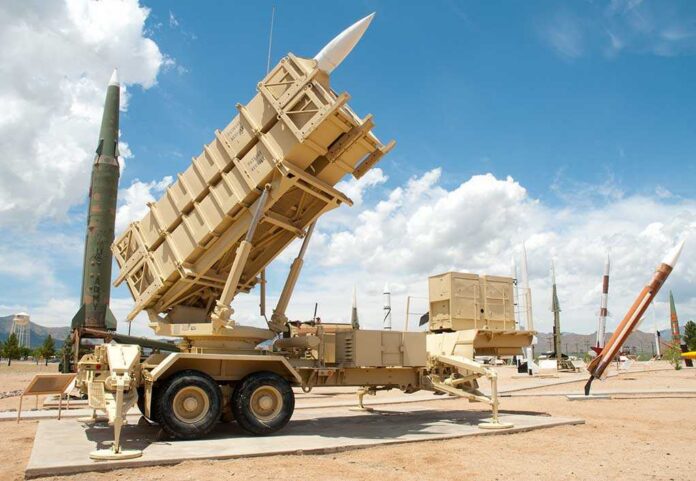
Washington cleared a possible sale of 500 Patriot interceptors to Ukraine, a $2.1 billion step that shows policy resolve but will test strained missile production lines.
Story Snapshot
- The State Department approved a possible sale of 500 Patriot PAC-3 MSE missiles to Ukraine.
- The package is valued at about $2.1 billion and would be ally-funded, not paid by U.S. taxpayers per the notice.
- Approval starts the Foreign Military Sales process; it is not the same as delivery to the battlefield.
- Global output and long build times mean deliveries will likely take years, not months.
What Washington Approved and Why It Matters
The United States Department of State approved a possible Foreign Military Sale to Ukraine for 500 Patriot Advanced Capability-3 Missile Segment Enhancement missiles and related gear. The department listed an estimated value of $2.1 billion and said the action addresses Ukraine’s air defense needs against ongoing strikes. This step signals political will and opens the formal process. It also answers repeated requests from Kyiv and partners who say Ukraine needs more interceptors now.
The State Department’s public notice said allies would fund the purchase, easing pressure on American taxpayers who question large foreign aid bills. That funding approach tracks with broader burden-sharing pushes. It also reflects how partners have pooled money to back Ukraine while facing their own budget fights at home. The package includes support and spares, which matter for keeping launchers ready. Missiles without support cannot stay on alert long in a high-tempo war.
Approval Is Not Delivery: How the Sales Process Works
The Foreign Military Sales system moves in stages. A U.S. approval allows a possible sale, but it is not a shipment or a handover. A deal must still be offered, accepted, contracted, and built. Government Accountability Office reviews explain that delivery usually comes only after production and testing, and that custody changes late in the process. That gap matters in a war where weeks can change the front. It also shapes expectations for near-term impact.
Ukraine’s need for interceptors is real today, yet defense acquisition takes time. The State Department notice and allied funding help, but neither speeds factories on their own. The approved missiles are new builds, according to reporting, which further stretches timelines. New builds avoid draining existing stocks, but they force the queue to get longer. That tradeoff is common in wartime resupply decisions when inventories run tight and threats persist.
Production Bottlenecks and the Global Queue
Public television reporting and experts have said the United States and partners produce only hundreds of Patriot interceptors per year, with recent output around 600 annually and efforts underway to expand lines. Many countries also buy from the same production base, including the United States Army and key allies. That means Ukraine joins a long line even with political priority. Extra shifts, new tooling, and supplier growth help, but they do not appear overnight.
Defense reporters note that partners are exploring joint production and repair hubs to ease strain and cut wait times for Ukraine. Still, moving highly complex, classified technology across borders is hard and slow. License ideas have circulated, and leaders have discussed co-production paths, but experts warn that turning plans into missiles takes years and careful controls. For now, the fastest lever remains adding capacity at existing plants while funding multiyear buys.
What This Means for U.S. Politics and Policy
This move fits a pattern: leaders announce major aid steps, then industry and agencies work for months or years to deliver. Many Americans on the right and left worry that Washington talks big while systems arrive late and over budget. The approval tries to square those concerns by shifting costs to allies and locking in supply for Ukraine’s defense. The test ahead is execution. Voters care less about press releases and more about results they can see.
The Trump administration just cleared a $2.1 billion missile deal for Ukraine, and American taxpayers aren’t the ones paying the bill.
Story Snapshot
The State Department approved a possible sale of 500 PAC-3 MSE Patriot interceptor missiles to Ukraine, valued at $2.1 billion.… pic.twitter.com/LDYKJk6j2z— Keith Clark (@Mongo_NH) November 2, 2026
For Ukraine, the message is clear support, but patience will be required. For the United States, the case for oversight grows. Clear milestones, transparent schedules, and regular updates can help rebuild trust that big defense deals serve the public interest. If agencies and contractors hit targets and expand output, this sale can both aid Ukraine and strengthen Western air defense. If they miss, critics will say the system serves insiders, not citizens.
Sources:
realcleardefense.com, apnews.com, bbc.com, france24.com, gao.gov, pbs.org, defensenews.com
© primechronicle.org 2026. All rights reserved.