

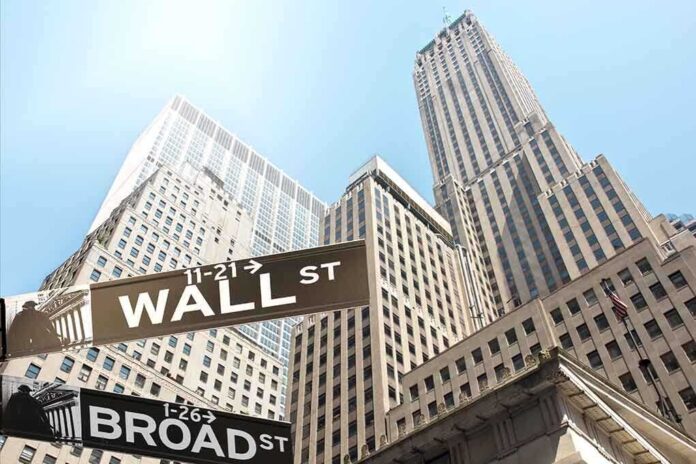
Wall Street insiders warn that irrational investor behavior—not market forces—could trigger losses reminiscent of the 1929 crash, even as markets reach historic highs.
Story Snapshot
- The biggest threat to investors is their own behavior, not external market shocks.
- Periods of market volatility and rapid gains have historically amplified emotional decision-making.
- Behavioral finance research and expert commentary highlight cognitive biases as key risks to long-term wealth.
- Calls grow for greater investor discipline, education, and skepticism toward market “hype.”
Investor Behavior Outranks Market Risks in 2025
Wall Street’s top executives are sounding the alarm that the greatest danger facing investors is not the unpredictability of the market itself, but the psychological pitfalls that lead to costly mistakes. Major downturns, like the notorious 1929 crash and more recent COVID-induced volatility, have shown that panic selling, herd mentality, and overconfidence often drive losses more than economic fundamentals. This theme is echoed today as markets soar, reminding conservatives that self-discipline and rationality—values long championed by leaders like Warren Buffett—are essential defenses against financial ruin.
Behavioral finance, a field rooted in the teachings of Benjamin Graham and popularized by Buffett, explains how biases such as loss aversion and impulsivity frequently sabotage investor returns. Despite technological advances and mountains of available data, even seasoned investors fall prey to emotional reactions, particularly during periods of rapid gains or sharp declines. In the current climate—marked by information overload and increased retail participation—these risks are amplified, making vigilance and self-awareness more vital than ever for protecting hard-earned assets.
Historical Patterns and the Dangers of Emotional Investing
History demonstrates that investor psychology, not just market turbulence, drives boom-and-bust cycles. The dot-com bubble of 2000, the financial crisis of 2008, and the COVID-19 panic of 2020 all saw investors succumb to fear or greed, deepening losses through impulsive trades. Legendary investors, including Warren Buffett and Peter Bernstein, have consistently advised that patience and rationality outweigh attempts to outsmart the market. Their warnings are especially relevant as today’s fast-moving markets tempt both professionals and retirees to chase quick gains—often at the expense of long-term security.
Behavioral missteps do not just impact individuals—they can rattle entire markets. When large groups panic or rush to invest in trending assets, volatility spikes and trust in the financial system erodes. Advisors and asset managers now focus heavily on coaching clients to recognize and control their impulses, integrating behavioral finance into planning tools and investment platforms. The rise of robo-advisors and financial education programs reflects this shift toward empowering investors to resist emotional decisions and maintain perspective during turbulent periods.
Expert Perspectives and Conservative Principles
Industry experts maintain that the core principles of discipline, patience, and rational thinking remain the most reliable path to investment success. Warren Buffett’s shareholder letters repeatedly stress that emotional restraint, not market timing, protects wealth over decades. Similarly, Seth Klarman and Peter Bernstein warn that risk lies more in ignorance and rash decisions than in market volatility itself. For conservatives who value self-reliance and common sense, these insights serve as a reminder: resisting the “madness of crowds” is not just prudent—it is essential to safeguarding financial freedom and family prosperity in uncertain times.
Top Wall Street exec warns of 1929-style crash – but only after massive gains in the short term | The Independent https://t.co/NuWOJjXA4u
— Thomas Tafuri (@tommytafuri) September 22, 2025
While some claim that systemic shocks can overwhelm even the most disciplined investor, the consensus among professionals and academics is clear: behavioral mistakes are the most controllable threat. As market dynamics evolve, the enduring lesson is that vigilance, education, and skepticism toward speculative manias will always be more effective than chasing the latest trend. In an era rife with policy missteps and economic uncertainty, steadfast adherence to conservative investment values is the best defense against the next market upheaval.
Sources:
Warren Buffett on investing success
Quotes on risk (Bernstein, Klarman)
Buffett’s investment strategies and behavioral pitfalls
Risk management and behavioral finance principles