

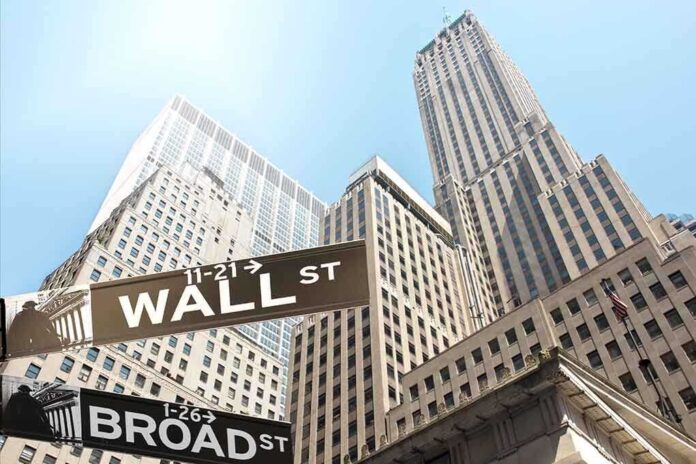
President Trump’s latest executive order aims to curb Wall Street’s influence in the housing market, a significant victory for American families.
Story Highlights
- Trump signed an executive order to limit institutional investors from purchasing single-family homes.
- The order prioritizes individual homebuyers over Wall Street firms.
- Federal agencies have 60 days to implement new guidance and review practices.
- This measure addresses the growing concern over housing affordability in the U.S.
Trump’s Executive Order on Housing
On January 20, 2026, President Donald Trump signed an executive order titled “Stopping Wall Street from Competing with Main Street Homebuyers.” This order directs federal agencies to restrict large institutional investors from purchasing single-family homes through federal programs. It aims to promote priority access for individual buyers and enhance housing affordability for families. This move is part of a broader strategy to restore the “American Dream” of homeownership by prioritizing families over Wall Street firms that often crowd out first-time buyers.
The executive order mandates that within 60 days, federal agencies must issue guidance on the new restrictions. The Treasury Secretary is tasked with reviewing existing rules, while the Department of Justice and the Federal Trade Commission will evaluate acquisitions for anti-competitive effects. This approach marks a significant shift in addressing housing affordability, especially ahead of the midterm elections, where housing has become a pivotal issue.
The Impact on Institutional Investors
Institutional investors, including major Wall Street firms, have increasingly acquired single-family homes since the 2008 financial crisis. According to a 2024 Government Accountability Office report, these investors own about 3% of single-family rentals nationwide. This trend has led to rising home prices and has turned some neighborhoods into “corporate assets,” making it difficult for average families to compete. Trump’s order aims to rectify this imbalance by restricting investor purchases and prioritizing individual homebuyers.
Despite the pushback from some sectors, the National Association of Realtors has expressed support for the focus on affordability. Shannon McGahn, NAR’s EVP and Chief Advocacy Officer, issued a statement praising the order’s potential to boost homeownership among American families. The National Rental Home Council, representing the single-family rental industry, acknowledges the housing shortage but has not directly opposed the order.
Future Implications and Legislative Efforts
The executive order sets the stage for comprehensive legislation that could permanently restrict institutional investors from purchasing single-family homes. Alongside this, directives for Fannie Mae and Freddie Mac to buy $200 billion in mortgage-backed securities aim to lower borrowing costs. While these measures could boost homeownership and wealth-building in the short term, they may also limit rental supply, affecting the broader housing market.
Trump Signs EO to Block Wall Street From Buying Single Family Homeshttps://t.co/JyaXBYNP7a
— PJ Media Updates (@PJMediaUpdates) January 21, 2026
Economic impacts include a potential increase in homeownership rates and the restoration of community control. Politically, the order is seen as a populist move to garner support ahead of the midterms. As the 60-day deadlines approach, the housing market and stakeholders will closely monitor the implementation and outcomes of this significant executive action.
Sources:
Trump Signs EO Cracking Down on Wall Street Investors Purchasing Single-Family Homes
Trump Moves to Block Wall Street from Buying Single-Family Homes
Trump Targets Wall Street: Executive Order on Single-Family Home Investors