

Story Highlights
- Trump administration cuts CDC-recommended vaccines from 17 to 11.
- Decision aligns U.S. with peer nations but faces backlash from doctors.
- Physicians warn of increased disease risk and trust erosion.
- HHS Secretary Robert F. Kennedy Jr. supports the changes for transparency.
CDC Vaccine Reductions Under the Trump Administration
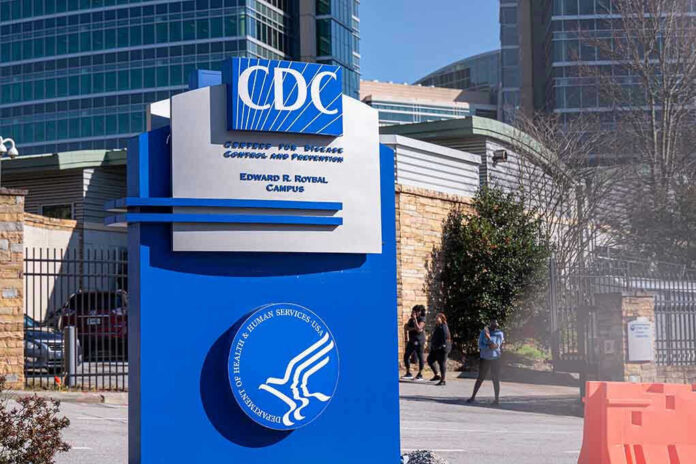
On January 5, 2026, the Trump administration enacted a significant reduction in the CDC’s recommended childhood vaccines, cutting the list from 17 to 11. This dramatic shift was executed following a presidential order issued in December 2025, aiming to align the U.S. vaccination schedule with those of peer nations. The decision has been met with substantial backlash from the medical community, who argue that it could undermine public health efforts and erode trust in vaccines.
Acting CDC Director Jim O’Neill approved the new schedule, which now includes vaccines for diseases like measles, mumps, rubella, and polio, while making others, such as the flu and rotavirus shots, optional. These changes are based on what is described as “shared clinical decision-making” or are recommended only for high-risk groups. Critics, including the American Academy of Pediatrics and the American Medical Association, have condemned these cuts, citing potential risks to children’s health and the possibility of increased outbreaks of preventable diseases.
The Role of Key Stakeholders
Prominent figures in this decision include HHS Secretary Robert F. Kennedy Jr., a known skeptic of widespread vaccine mandates, who supports the changes as a move towards greater transparency. The reconstituted Advisory Committee on Immunization Practices (ACIP), now comprising several vaccine-skeptic members, played a crucial role in endorsing the reduction. Notably, Tracy Beth Høeg and Martin Kulldorff authored a comprehensive review supporting the cuts, citing rare risks associated with certain vaccines.
Despite these endorsements, the decision has drawn sharp criticism from medical professionals who argue that the changes prioritize ideology over epidemiology. They warn that such a policy could result in a resurgence of diseases that were previously under control, placing children, especially those with compromised immune systems, at greater risk.
Impact and Repercussions
The immediate implementation of these vaccine reductions is expected to have several implications. In the short term, healthcare providers may experience confusion, and parents could face the challenge of navigating new vaccination schedules. In the long term, experts fear a decline in vaccination rates, leading to potential outb
Economically, this policy may impact pharmaceutical companies that produce combined vaccines and disrupt pediatric practices accustomed to the 17-shot schedule. Politically, the changes bolster anti-vaccine alliances and challenge state mandates that currently align with CDC recommendations. The broader social impact could include heightened fear among parents regarding vaccine safety and efficacy.
Sources:
Federal health officials slash recommended childhood vaccinations
Federal Health Officials Scale Back Number of Recommended Vaccines for Children
HHS Announces Unprecedented Overhaul of US Childhood Vaccine Schedule
ACEP Statement Regarding the CDC Limiting Vaccine Recommendations