
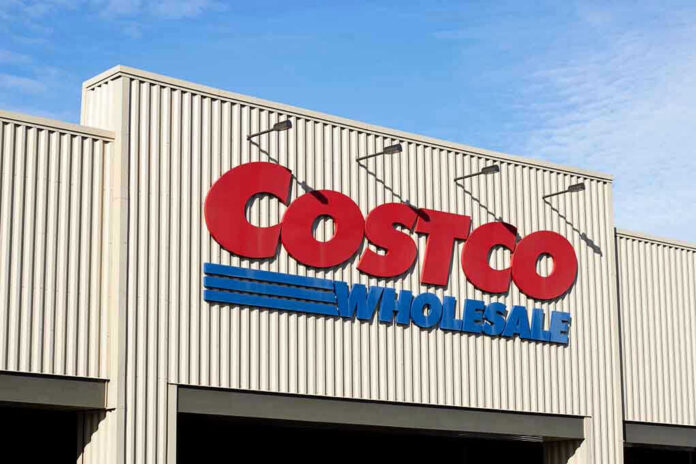
A potential ban on Iranian diplomats from shopping at wholesale stores like Costco raises questions about diplomatic norms and U.S. foreign policy leverage.
Story Highlights
- The Trump administration considers new restrictions on foreign diplomats, including a Costco ban for Iranian officials.
- These proposals could affect delegations from Iran, Sudan, Zimbabwe, and Brazil.
- The measures are part of a broader travel crackdown aligned with Trump’s previous policies.
- Such restrictions could undermine the U.S.’s role as a neutral host for the UN.
Proposed Diplomatic Restrictions
In early September 2025, an internal State Department memo revealed that the Trump administration is considering imposing restrictions on foreign diplomats attending the United Nations General Assembly. These measures would notably target delegations from Iran, Sudan, Zimbabwe, and Brazil. Among the proposals is a ban on Iranian officials shopping at wholesale stores like Costco and Sam’s Club without explicit permission from the State Department.
This move is part of a broader crackdown on visas and diplomatic privileges, reflecting the administration’s hardline stance on certain countries. These proposals coincide with a more extensive review and tightening of visa and travel policies for diplomats from countries on the Trump administration’s travel ban list.
Historical Context and Precedents
The U.S., as host to the UN headquarters, is obligated under the 1947 UN Headquarters Agreement to facilitate access for diplomats. However, the U.S. has historically imposed restrictions on the movement of diplomats from countries with strained relations. The Trump administration’s earlier travel bans set a precedent for such restrictions, justified by national security and vetting concerns. In 2025, a new travel ban expanded this list to 19 countries, further tightening diplomatic access.
Past U.S. administrations have similarly restricted the movement of diplomats from adversarial states. For instance, Iranian diplomats have previously faced limitations on their movements within New York. This current proposal, however, introduces the unprecedented restriction of banning diplomats from specific retail stores.
Implications and Reactions
The proposed restrictions could have significant short-term and long-term implications. In the short term, they may disrupt affected delegations’ ability to participate in UNGA and related meetings, likely leading to diplomatic protests and formal complaints to the UN Secretariat. In the long run, such actions could erode U.S. credibility as a neutral host of the UN, setting a precedent for future politicization of diplomatic access.
Economically, local businesses in New York, such as wholesale stores, may lose diplomatic customers, impacting their sales. Politically, these measures could heighten tensions between the U.S. and affected countries, possibly leading to retaliatory actions and a broader diplomatic fallout.
Sources:
How US Travel Bans Will Undermine UN Diplomacy: An Explainer
US Considers Banning Iranians from Shopping at Costco Meeting
The Trump Administration’s Retreat from the UN
Guide to Countries on Trump’s 2025 Travel Ban List