
Mark Zuckerberg’s reported $270 million “doomsday bunker” project in Hawaii is a reminder that the people who lecture America about “misinformation” and “trusting institutions” are quietly preparing to live outside the system they helped shape.
Story Snapshot
- A 2024 investigation reported that Zuckerberg is building a sprawling, secretive compound on Kauai with a large underground shelter and self-sufficiency features.
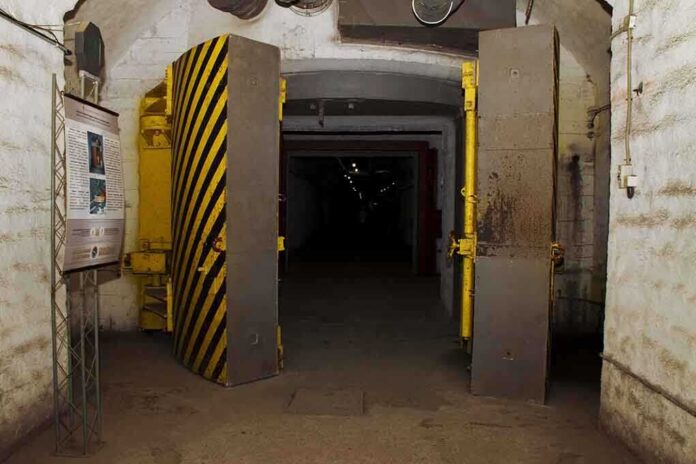
- The shelter was described as roughly 5,000 square feet with blast-resistant doors, an escape hatch, and independent energy and food capabilities.
- Workers were reportedly bound by strict nondisclosure agreements, with construction teams segmented to limit what any one group could see.
- Zuckerberg publicly downplayed the “doomsday bunker” label, describing it as more like a basement shelter.
A Luxury Estate With Military-Style Shelter Features
Reporting in late 2024 described Zuckerberg’s Kauai holdings as a massive private compound—about 1,400 acres in the most detailed accounts—with an underground shelter that goes far beyond a typical storm room. The underground space was described as about 5,000 square feet and fitted with hardened elements such as blast-resistant doors and a dedicated escape hatch, alongside plans for independent power and food supplies.
Those details matter because they frame what this is and what it isn’t. A basement is common; a reinforced underground build with redundancy planning for energy and supplies suggests a higher level of threat modeling. The sources behind the 2024 reporting relied heavily on accounts from people familiar with the construction, which means the exact final configuration cannot be independently confirmed from public permits alone.
Secrecy, NDAs, and Segmented Crews Raise Trust Questions
The investigation also emphasized how aggressively information was controlled. Workers were reportedly placed under strict NDAs, and construction was organized so teams handled separate components without access to the full picture. That kind of compartmentalization may be understandable for personal security, but it also fuels public suspicion—especially when applied at this scale and cost—because it limits transparency for local communities assessing land use and infrastructure impacts.
Local concerns referenced in the reporting included how large developments can affect scarce island resources, including land availability and water. Kauai’s North Shore is remote and rugged, which makes it attractive for privacy, but it also concentrates the consequences of major construction in a smaller community footprint. The research available here does not include detailed statements from county officials or community groups, so the scope of formal opposition is unclear.
Zuckerberg’s Public Denial Collides With Reported Build Specs
Zuckerberg addressed the bunker narrative in an interview cited in the coverage, rejecting the “doomsday” framing and describing the underground space as a “little shelter” that is “like a basement.” That distinction is not trivial: “doomsday bunker” implies preparing for societal collapse, while “basement shelter” implies routine preparedness. The gap between the public description and the reported hardened specifications is a central tension in the story.
Based on the reporting summarized in the provided research, the most defensible conclusion is limited: a substantial underground shelter is part of a much larger private compound, and the project’s security posture is unusually strict. Beyond that, the motive—apocalypse planning versus high-end security—cannot be proven from the available facts alone, and the “doomsday” label remains an inference rather than a verified internal project name.
What This Signals About Elite Risk Planning in the Post-2020 Era
The Kauai project fits a broader, documented trend: wealthy individuals investing heavily in private resilience after the shocks of the post-2020 period, from pandemics to geopolitical instability. The reporting notes increased interest in luxury survival infrastructure and the normalization of fortified residential design among top-end buyers. Even if a billionaire calls it “a basement,” the appetite for self-sufficiency speaks to how elites see the future.
For everyday Americans—especially those who lived through years of inflation pressures, cultural upheaval, and politicized institutions—this story lands like a gut check. The public is told to accept less: less energy reliability, less policing, less border control, and less accountability from powerful players. Meanwhile, the ultra-wealthy buy more independence: more land, more security, and more options to opt out when policies fail. The reporting doesn’t prove why Zuckerberg built it, but it does reveal who can afford an escape hatch.
Sources:
Mark Zuckerberg’s $270 Million Doomsday Bunker