
Mexican cartel drones brazenly breached U.S. airspace near El Paso International Airport, exposing vulnerabilities from years of lax border policies now met with swift Trump administration action.
Story Snapshot
- Cartel-operated drones entered U.S. airspace late February 10, 2026, prompting FAA to impose a temporary flight restriction over El Paso.
- Department of War disabled the drones in a rapid military operation from Biggs Army Airfield, neutralizing the threat by February 11.
- Transportation Secretary Sean Duffy confirmed the incident and lifted restrictions, restoring normal flights amid local criticism of poor communication.
- Event highlights escalating cartel drone incursions, a direct challenge to border security that the Trump team decisively countered.
Cartel Drones Breach Key U.S. Airspace
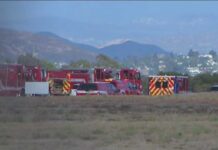
Federal Aviation Administration issued a temporary flight restriction at 11:30 PM MST on February 10, 2026, halting all flights to and from El Paso International Airport until February 20. Mexican drug cartel-operated drones breached U.S. airspace near the airport, a major hub in the El Paso-Ciudad Juárez commerce corridor. This marked the first public confirmation of such an incursion near a commercial airport in a city of 700,000 metro population. The proximity to Fort Bliss underscored the military’s role in border defense.
Swift Military Response Under Trump Leadership
Department of War launched a military operation from nearby Biggs Army Airfield, disabling the cartel drones late on February 10. Transportation Secretary Sean Duffy announced the threat neutralization on X the next day, crediting FAA and DOW coordination. Restrictions lifted by February 11 morning, resuming commercial, cargo, and general aviation. This rapid response demonstrated the Trump administration’s commitment to border security, contrasting with prior delays under open-border policies that allowed cartels to evolve drone tactics since 2015.
Local leaders expressed frustration over lack of advance notice. Rep. Veronica Escobar urged the FAA to lift the TFR, citing no immediate threat. El Paso Mayor Renard Johnson condemned the poor coordination, noting medevac diversions to Las Cruces risked public safety. Rep. Tony Gonzales referenced a similar November 2025 incident in Hudspeth County, assuring residents of no ongoing danger while engaging federal partners.
Impacts on El Paso Community and Economy
Flight disruptions halted cross-border trade in this vital metro area, diverting emergency services and causing public confusion amplified by a fake Texas DPS road closure memo debunked February 11. No injuries occurred, but the event tested FAA-DOW protocols. Short-term effects included commerce pauses; long-term, it signals need for advanced anti-drone defenses against cartel escalation. Bipartisan local outcry highlighted federal override authority, yet praised the quick resolution protecting aviation safety.
Texas DPS confirmed no road closures, countering misinformation. An anonymous FAA-briefed source explained the initial 10-day TFR stemmed from DOW’s caution during operations to ensure civilian safety. This unprecedented measure since post-9/11 shutdowns for a major city airspace emphasized the breach’s severity. The Trump administration’s decisive action reassures patriots frustrated by past immigration leniency that enabled such threats.
BREAKING – Mexican cartel drones breached US airspace: US administration official https://t.co/xDrX3KZRrk pic.twitter.com/ysDmeyAPdI
— Insider Paper (@TheInsiderPaper) February 11, 2026
Broader implications point to accelerated border measures. Cartels increasingly deploy commercial drones for smuggling and surveillance, targeting vulnerable corridors like El Paso. The administration’s focus prioritizes American safety over globalist openness, validating voter demands for strong enforcement. No further incursions reported as of February 11, with airspace fully normalized and airlines notified.
Sources:
Mexican cartel drones breach US airspace near El Paso, disabled by War Department, Duffy says
FAA grounds all flights to and from El Paso until Feb 20
El Paso air space closed by FAA