

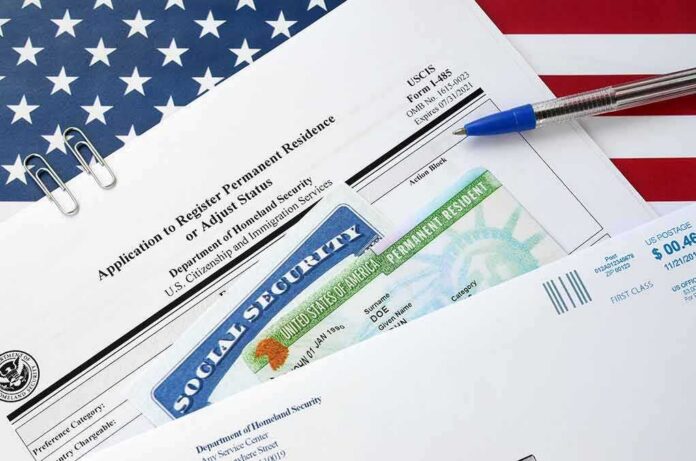
The last legal step to become an American citizen may soon cost more than a month’s rent for many working families.
Story Snapshot
- The Department of Homeland Security wants to raise the core citizenship application fee by 75–80 percent.
- The plan would end almost all fee waivers and reduced fees, except for current and former military.
- Supporters say the hikes are needed to cover full vetting and processing costs without taxpayer subsidies.
- Critics argue the move prices out low-income, law‑abiding immigrants and deepens distrust of Washington “elites.”
What DHS Is Proposing To Do To Citizenship Fees
The Department of Homeland Security has proposed a major jump in the cost to apply for United States citizenship using Form N‑400, the main naturalization form.[9] The standard paper filing fee would rise from $760 to $1,330, a 75 percent increase, while the online fee would move from $710 to $1,280, an 80 percent increase.[1] Fees to appeal a denied citizenship application with Form N‑336 would also spike to around $1,475, roughly an 80 percent jump from current levels.[3]
The proposal was published as a draft rule in the Federal Register, which means it is not law yet and cannot be charged today.[9] A public comment period of 60 days is now open, during which anyone can submit feedback on the plan before it is finalized.[2] The Department of Homeland Security says current citizenship fees do not cover the full cost of processing applications, including background checks and tougher security screening added in recent years.[4]
How The Rule Ends Discounts And Waivers For Most Applicants
For many families, the sharpest blow is not only the higher sticker price but the loss of safety valves that kept citizenship within reach.[1] Under a 2024 rule, low‑income green card holders could pay a reduced $380 fee if their household income was at or below 400 percent of the federal poverty guidelines, and some could qualify for a full waiver.[7] The new proposal would eliminate both that reduced fee and nearly all fee waivers for Form N‑400 and appeals, except where federal law protects current and former military.[2]
This change means a low‑income applicant who once paid $380 would now face the full $1,330 fee, a jump of about 250 percent.[1] Immigration lawyers and advocacy groups warn that such increases will hit service workers, caregivers, and other modest‑income immigrants hardest, including many who have lived and paid taxes in the United States for years.[3] They argue that turning naturalization into a “full‑cost, beneficiary‑pays” product risks shrinking the pool of future citizens and weakening long‑term civic integration.[2]
Why DHS Says Costs Must Rise And Who Really Pays
The Department of Homeland Security and United States Citizenship and Immigration Services say the fee surge is driven by math, not politics.[9] The agencies report a large funding gap in naturalization processing and say other immigration filings have been subsidizing citizenship cases.[11] By sharply increasing N‑400 and N‑336 fees and ending most waivers, they claim they can close that gap, comply with budget rules, and fund expanded vetting, including more interviews, checks, and investigations.[2]
Officials describe the shift as moving to a “beneficiary‑pays” model, where the person seeking the benefit shoulders the full price instead of taxpayers or other migrants.[2] Supporters on the right see that as common sense in a time of record federal debt and frustration over government overspending. They also argue that tight screening is essential after years of security lapses and illegal immigration pressures at the border.[4] But for many families, this means writing a check that competes with rent, food, and medical bills in a still‑inflationary economy.
How This Fuels Distrust Of Washington From Both Left And Right
Across the political spectrum, this proposal taps into a deeper anger that Washington works for insiders, not ordinary people. Many conservatives see yet another example of a bloated bureaucracy using rulemaking, not elected debate, to raise costs while everyday Americans struggle with high prices and stagnant wages. Many liberals see a system that talks about welcoming strivers, then prices legal immigrants out of citizenship while the wealthy hire lawyers and easily absorb new fees.[3]
us citizenship about to get way more expensive — $1330 for n-400, $1475 for n-336, and no more low-income discounthttps://t.co/bB4Q4DdAQi#citizenship #immigration #uscis #usa #dhs #breaking #news #fees
— TheTrendsWire (@thetrendswire) June 23, 2026
Both sides share a suspicion that the federal government prefers quick revenue over serious reform. Naturalization turns long‑time taxpayers and workers into full citizens with voting power and a stake in the country’s future. When that final step costs $1,300 or more, plus legal and test expenses, fewer people will take it. That outcome may suit a political class—on the left and the right—that depends on a large, voiceless population with little leverage, while Americans of all backgrounds watch the promise of the American Dream slip further out of reach.
Sources:
[1] Web – DHS Proposes To Increase Citizenship Application Fees By 80%
[2] Web – DHS Proposes Significant Increase in Filing Fees for Naturalization …
[3] Web – DHS Proposes 75% Increase to US Citizenship Application Fee – Ellis
[4] Web – Trump Administration Moves to Increase the Price Tag for Seeking …
[7] Web – U.S. CITIZENSHIP MAY GET A LOT MORE EXPENSIVE If DHS gets …
[9] Web – What Will Change Under the USCIS Fee Schedule Final Rule?
[11] Web – Green Card Holders Face 75% Citizenship Fee Increase Under New …
© primechronicle.org 2026. All rights reserved.