

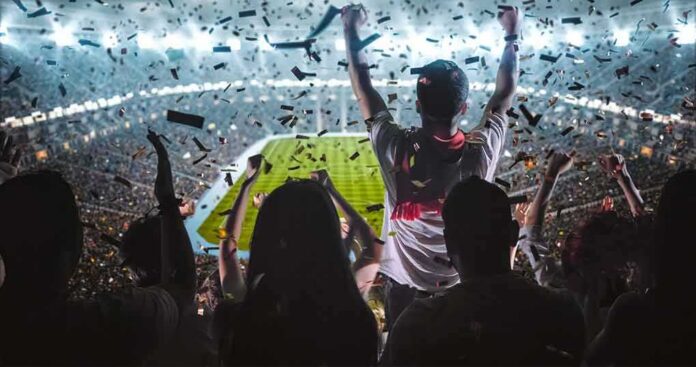
As Mexico celebrated a 2–0 World Cup opening win, fans briefly tasted unity and pride that many feel their governments no longer deliver.
Story Snapshot
- Mexico opened the 2026 World Cup in Mexico City with a 2–0 win over South Africa, ending a long run of opening-match frustration.[1][2][6]
- Fans poured into streets and plazas across Mexico, especially around the Angel of Independence in Mexico City, to celebrate the victory.[1][3]
- The opening ceremony in Mexico City was a massive, made-for-TV spectacle, highlighting how global sports now run on showmanship as much as sport.[5]
- Wall-to-wall media coverage showed joy but left out deeper questions about cost, security, and who really benefits from mega-events.[1][2][5]
Mexico’s 2–0 Win Over South Africa Sets the Stage
Mexico kicked off the 2026 World Cup by beating South Africa 2–0 at the historic Estadio Azteca in Mexico City, in a match that featured three red cards and heavy pressure on the home team.[1][2][6] Sports outlets describe the result as breaking Mexico’s “misery in World Cup opening games,” calling the night a “perfect day” for veteran striker Raúl Jiménez, who finally had his big World Cup moment.[1][2] Match reports from both the sports network ESPN and the official FIFA record agree on the score and basic storyline.[1][2][6]
Coverage by Fox Sports and other outlets frames the victory as more than just three points, presenting it as a symbolic fresh start for Mexico’s national team and for the entire tournament.[2][3] Fox’s box score and highlight packages stress how Mexico “ends curse” and “got the 2026 World Cup under way” with the win.[2][3] Social posts echo that framing, with regional pages repeating that co‑hosts Mexico “kicked off the 2026 FIFA World Cup with a 2–0 victory over South Africa.”[3][4] Together, these reports create a simple, upbeat narrative: home team, big stage, big win.
Fans Transform Mexico City Into a Street Party
News and social video show fans across Mexico celebrating after the final whistle, with Mexico City as the main stage.[1][2] A Euronews clip describes Mexican fans “erupting in celebration” after the win over South Africa, with chants, flags, and car horns filling the streets. A post by sports broadcaster beIN Sports calls out celebrations “in Mexico City and at the Angel of Independence,” a key national monument that often becomes the center of public gatherings and protests.[3] Video descriptions and crowd shots show thousands of people packed into plazas, waving flags and singing.
Live streams from the opening ceremony and match show fans gathering in huge numbers even before kickoff, as crowds built outside stadiums and in fan zones set up for the tournament.[6] One clip describes “the crowd for Mexico’s opening match of the World Cup” and shows a festival atmosphere with music, fireworks, and banners.[6] Other coverage shows watch parties in cities across North America, including large Mexican communities in the United States, linking home‑country pride to diaspora communities who also feel left behind by political elites but united by the team on the field.[1][2]
A Spectacle Built by Global Organizers and Local Taxpayers
FIFA’s own coverage of the opening ceremony describes a “spectacular” show in Mexico City full of sound, color, music, and dance, designed to wow a worldwide television audience.[5] The organization highlights the star‑studded performance and the fact that “the world will turn its eyes to Mexico” as the tournament begins, underscoring how these events are built to sell a single image of unity and celebration. Live streams promoted by FIFA and partner networks show elaborate light shows, carefully choreographed performances, and tightly controlled camera angles.[5][6]
This kind of event fits a familiar pattern: global sports bodies and broadcasters deliver spectacle, while local citizens live with the costs.[5][6] Research on media production shows that television and online sports coverage focuses on fast, emotional clips instead of slower reporting about security, transport, neighborhood disruption, or public spending.[5][6] The record here reflects that pattern, with plenty of footage of cheering crowds but no public breakdown of policing costs, overtime budgets, or how much of the bill falls on regular taxpayers rather than corporate sponsors or international organizers.[5][6]
What the Cameras Show — and What They Leave Out
Available coverage strongly supports the basic facts: Mexico beat South Africa 2–0 in the tournament opener, and fans celebrated in large numbers afterward, including around the Angel of Independence.[1][2][3] At the same time, the evidence is thin on details that matter for people who worry about government accountability. There are no public police logs, city permits, or official crowd estimates in the record provided, so claims about “huge” crowds or “thousands” remain journalistic impressions rather than hard data.[1][3][6]
What a beauty, that goal celebration in Mexico..
It's the World Cup season pic.twitter.com/rcEEbOKOWe
— postoyen (@postoyen) June 12, 2026
Short clips and social posts also blur the line between organized fan zones and spontaneous street gatherings, even though that difference affects who is responsible for safety and cleanup.[3][6] Platforms like YouTube and Instagram reward quick, exciting clips, not long explanations of planning, cost, or risk.[1][6] That means most people see a highlight reel that looks like joy without strain, even as both Mexican and American readers know from experience that huge events often bring traffic chaos, heavy policing, and big bills that rarely land on the powerful “elites” who profit from the show.[5][6]
Sources:
[1] YouTube – Mexico fans celebrate 2-0 win in World Cup opener
[2] YouTube – Celebrations across Mexico after World Cup opener win
[3] YouTube – Mexico opens historic World Cup with a win
[4] Web – It’s time to celebrate in Mexico City and at the Angel of …
[5] Web – 2026 FIFA World Cup™ Opening Ceremony 🌎
[6] Web – Relive Mexico City’s spectacular Opening Ceremony
© primechronicle.org 2026. All rights reserved.