
President Trump warned Iran that any new retaliation will trigger “much harder” U.S. strikes after American forces hit more than 80 Iranian targets linked to attacks on ships in the Strait of Hormuz.
Story Highlights
- U.S. strikes hit Iranian military assets tied to threats on commercial shipping.
- Trump vowed tougher follow-on action if Tehran answers with force.
- Iran signaled it would respond decisively and warned regional states.
- Escalation raises risks for global oil flows and regional bases.
What Triggered The Latest Strikes
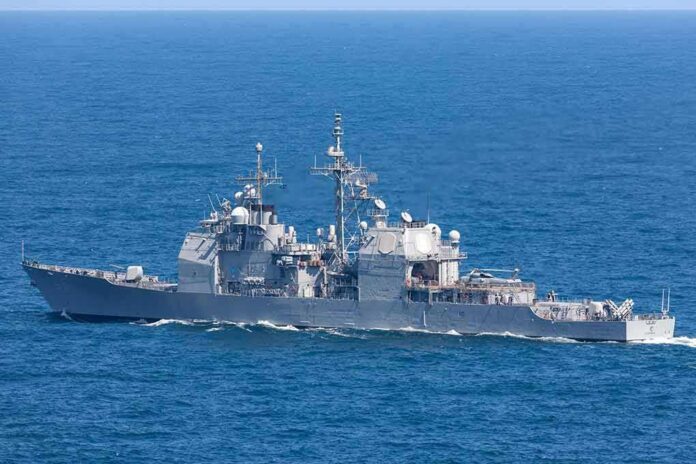
United States Central Command said American forces carried out new strikes on July 7 against more than 80 Iranian targets. Commanders said these strikes answered recent Iranian attacks on commercial ships moving through the Strait of Hormuz. The targets included air defenses, command hubs, coastal radar, anti-ship missiles, and small fast boats linked to the Islamic Revolutionary Guard Corps. The military framed the action as immediate and focused on stopping maritime disruption, a recurring flashpoint this year.
President Trump later warned that any Iranian response would bring even tougher action. In a televised interview, he said the United States would “hit them hard” if Tehran retaliated. His comments followed nights of back-and-forth between the two countries and fresh concerns from energy analysts. The message aimed to restore deterrence after repeated hits on shipping and American sites around the Gulf. The White House also moved to re-tighten economic pressure during the same period.
How Iran Is Responding And Signaling Risk
Iran rejected the U.S. explanation and condemned the strikes as aggressive. Officials warned that any attack or allied support would face a decisive and proportional response. Iranian statements also urged neighbors to avoid helping Washington’s economic and military pressure. Those warnings put Gulf states and their bases on alert. Recent reporting described Iranian missile and drone fire at regional sites and threats to widen the fight if the United States escalates further.
Tehran’s messaging pairs threats with talks about maritime arrangements. Iranian media have said negotiations through Oman continue on routes through the strait. But officials insist these talks do not mean Iran accepts Western control of the waterway. This mix of force and diplomacy fits an action-reaction cycle that outside analysts have tracked for months. Each side claims the other is the escalator, while tankers and ports bear the near-term costs.
Why The Strait Of Hormuz Keeps Drawing Fire
The Strait of Hormuz moves a large share of the world’s oil. Even short disruptions can lift prices and strain supply chains. Reuters and other outlets describe a repeating loop: attacks on ships, U.S. military strikes, and then Iranian fire on American positions in the region. That cycle has played out more than once this summer. The United States says the goal is to protect shipping and reset deterrence. Iran says it seeks to assert control and raise the cost of U.S. presence.
🚨 BREAKING: President Trump just confirmed it — U.S. forces DESTROYED a massive wave of Iranian radar TONIGHT.
Iran tried to sneak their eyes back online. They thought they could rebuild in the dark.
Trump’s words: “They tried to rebuild their radar because they can’t see…— DAILY INTEL UPDATES (@Ericdavis1343) September 1, 2026
For Americans, this clash touches pocketbooks and security. Higher energy costs hit workers, small businesses, and retirees. Military deployments stretch service members and budgets already under stress. People across the political spectrum see a pattern: elites and entrenched officials manage crises but rarely fix root problems. Protecting ships is vital, but so is a plan to break the loop. Clear objectives, measured force, and defined end states can limit drift into a wider war while keeping sea lanes open.
What To Watch Next
Watch for three signs in the days ahead. First, changes in shipping insurance rates and rerouting around the strait will show market fear levels. Second, the scope and location of any Iranian response will reveal if Tehran seeks leverage or a broader showdown. Third, U.S. targeting choices and stated aims will signal whether Washington is containing the fight to maritime threats or preparing for a longer campaign. Any shift on these fronts will shape energy prices and regional risk.
Sources:
insiderpaper.com, reuters.com, apnews.com, theguardian.com, abc7news.com, bbc.com
© primechronicle.org 2026. All rights reserved.