
France has arrested thousands and shut hundreds of schools, yet leaders still refuse a national emergency.
Story Snapshot
- About 5,000 people were detained amid nationwide student protests, most of them minors.
- Authorities reported 256,000 demonstrators, with many marches peaceful alongside pockets of violence.
- Hundreds of schools closed due to safety risks and damage, with reported student injuries.
- Officials chose targeted policing over emergency powers, citing proportional force and dialogue.
What sparked the unrest and how far it spread
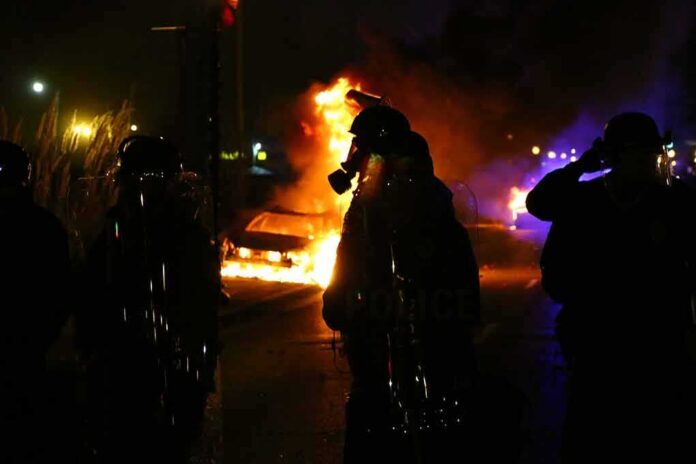
French students launched protests over school problems, including missing teachers, crowded classes, and worn buildings. Demonstrations grew across the country over several days. The Interior Ministry estimated 256,000 people took part nationwide, including large marches in Paris. Many gatherings were calm, but small groups set fires, damaged property, and fought with riot police. Reports counted burned or ransacked schools in some areas. The mix of peaceful protest and violence made policing harder.
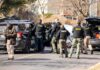
As marches spread, police made thousands of arrests. France 24 reported more than 5,000 detentions so far, and said most were minors. Prosecutors opened many cases, including both adults and youths. Interior officials also cited hundreds of injured police and gendarmes. Education leaders reported student injuries, including one severe case under review. The numbers show stress on public order and school life, even as most students said they wanted safer, better schools, not street fights.
School closures and safety pressures on families
Education officials closed hundreds of high schools, either partly or fully, due to security concerns. The Education Minister said safety conditions were not met in many buildings. The closures forced families to juggle work and child care, while students lost class time during key testing weeks. Some schools faced damage from fires or vandalism. Media counts varied by day and method, which makes one firm total hard to fix, but the direction was clear: schooling took a serious hit.
Parents and teachers faced a dilemma. Many agreed that staff shortages and overcrowding hurt learning. Many also worried about violence near campuses. That tension shaped the response. Police moved to clear blockades that stopped students and staff from entering schools. Officers also moved on groups that broke windows, set fires, or threw objects. The aim, officials said, was to reopen schools fast without treating every student as a rioter or criminal. That balance is never easy in fast-moving unrest.
Why Paris stopped short of a national emergency
President Emmanuel Macron’s government framed the response as targeted law enforcement plus dialogue. Interior Minister Laurent Nuñez said police should act when violence turns serious but use proportional force. Prime Minister Sébastien Lecornu urged leaders to listen to student concerns and push fixes. This approach echoes a French tradition of reserving emergency laws for the most extreme threats, while using regular policing for waves of protest that include both peaceful crowds and violent fringes.
France in flames.
Riots in more than 20 French cities.
Chaos explodes nationwide as streets turn into battlegrounds.
Widespread looting, arson and vandalism.
Emergency responders under siege.
This crisis is escalating rapidly. pic.twitter.com/T3jWF3pXD6
— Michael Snyder (@Revelation1217) October 18, 2026
Human Rights Watch said most protests were peaceful and pressed the government over claims of excessive force. Officials, for their part, warned that some individuals hijacked the movement. Both points can be true at once: many students marched peacefully for better schools, and some actors used the chaos to break things. The real test for the state is whether normal tools—arrests, prosecutions, and school safety plans—can restore order without trampling basic rights or fueling more anger.
The bigger lesson for America’s left and right
France’s struggle looks familiar. People see broken systems, slow fixes, and leaders who seem distant. Crowded classrooms in Paris feel a lot like crowded emergency rooms or unsafe streets here. When government misses on basics, trust falls, and protests rise. Then officials must choose: crack down hard, or work the problem. France chose the latter so far. The lesson is clear. Fix core services fast, show the math, and keep the peace with a steady hand. Anything less invites repeat crises.
Sources:
reuters.com, itv.com, abcnews.com, cnn.com, bbc.com, afp.com, en.wikipedia.org
© primechronicle.org 2026. All rights reserved.