
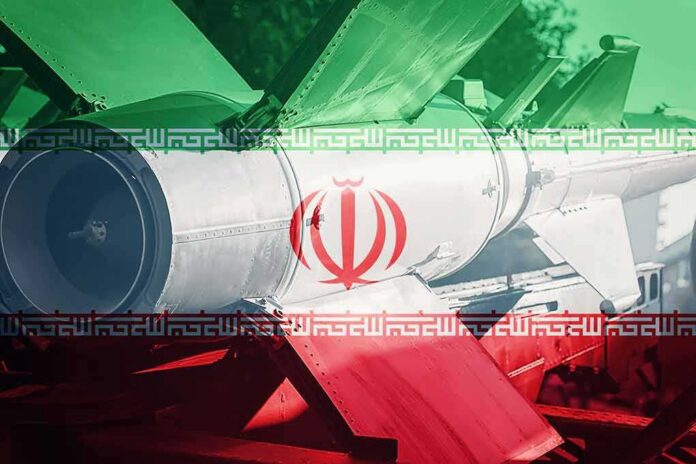
Hasan Piker told Axios the Middle East would be “more stable” if Iran had a nuclear weapon, triggering a fierce new fight over nuclear deterrence and risk.
Story Highlights
- Piker argued an Iranian bomb would deter attacks by the United States and Israel.
- He said he opposes all nuclear weapons but cited deterrence theory to explain his view.
- Think tanks warn a nuclear Iran could spark a regional arms race and raise war risk.
- Experts at a 2024 workshop said a nuclear Iran would upset the region’s security order.
What Piker Said And Why It Landed Hard
Axios aired an exchange where commentator Hasan Piker said the Middle East “would be more stable” if Iran had a nuclear weapon, adding that a nuclear deterrent would stop threats from the United States and Israel. He also said he does not want any country to have nuclear arms, but pointed to mutual deterrence theory to explain his claim. The viral clip spread fast across outlets and social feeds, with the most provocative line driving the headlines.
The remark hit a nerve because it touches fear on both sides. Many Americans distrust how wars start and doubt that leaders tell the full truth. Others worry that giving another regime the bomb would reward bad behavior. This split mirrors a deeper debate: do nuclear weapons prevent major wars or make mistakes more deadly? Piker leaned on the first view. Many experts, and most governments, stress the second in the Middle East context.
What Established Experts And Studies Say
The Council on Foreign Relations says many experts believe a nuclear-armed Iran would destabilize the region, raise the chance of a crisis or misread signal, threaten Israel, and push rivals like Saudi Arabia to seek their own bomb. A 2024 Lawrence Livermore National Laboratory workshop summary warned that an Iranian bomb could upend the regional balance, shield more aggressive proxy actions, and fuel a cascade to Egypt and Turkey as well. Those are concrete risks policymakers take seriously.
The International Institute for Strategic Studies warned that Iran’s unconstrained nuclear program already raises conflict risk and could push Turkey and Saudi Arabia toward weapons, which would strain the global nonproliferation system. Brookings research has also tied an Iranian bomb to sharper nuclear standoffs and bolder support for militias, which would widen the shadow of crisis across the region. These studies do not prove what would happen, but they show why officials reject the “more stable” claim.
Why This Debate Resonates With Voters Across Parties
Americans across the spectrum feel leaders ignore real costs of war, energy shocks, and broken promises. Many see an elite class making choices far from public review. This clip taps that anger. Some hear a challenge to “forever war” thinking. Others hear reckless talk that could hike oil prices or invite disaster. Both concerns are real in a region that sits next to key sea lanes and supplies that affect family budgets at the gas pump and grocery store.
The timing also matters. The United States is still managing threats from Iran’s missiles and proxies, while trying to keep trade moving in the Gulf. Any idea that lowers war risk will draw attention. But any idea that could spark a nuclear chain reaction will draw fire. That is why experts stress guardrails like inspections, sanctions relief for verifiable steps, and clear red lines to avoid miscalculation, not a new bomb in the mix.
Parsing Deterrence Versus Proliferation In Plain Terms
Deterrence logic says two sides with nuclear arms avoid direct war because the cost is suicide. That logic fit the Cold War’s superpowers. Proliferation risk says adding more nuclear states raises the odds of error, theft, or a hot crisis that spirals. Middle East rivals are close, often fight through proxies, and face domestic shocks. That mix can make signals hard to read and tempers hard to cool, which is why many analysts put more weight on risk than on balance there.
Hasan Piker Says Middle East Would Be More Stable If Iran Had a Nuclear Weapon https://t.co/LmDX5omuD3
— J. Manuel Pires (@JManuelPires7) September 18, 2026
Bottom line for readers: Piker’s point reflects a real school of thought, but most current expert work rejects applying it to Iran. The record shows strong concern about arms races, proxy escalation under a nuclear shield, and mistakes in a crowded theater. For citizens who think Washington listens more to insiders than to families paying the bills, demand clarity: what is the plan to cut risk, keep energy flowing, and avoid another open-ended conflict—without adding new nuclear players?
Sources:
foxnews.com, wfmd.com, cnn.com, war-watch.com, cgsr.llnl.gov, tnsr.org
© primechronicle.org 2026. All rights reserved.