
On the eve of the 25th 9/11 anniversary, New York City’s mayor signed remembrance and preparedness orders that sparked a firestorm after a councilwoman claimed it sent “a message to Osama bin Laden.”
Story Snapshot
- Mayor Zohran Kwame Mamdani signed two executive orders tied to 9/11 remembrance and city preparedness.
- The mayor’s office said Chief Counsel Ramzi Kassem’s team drafted the orders; a pen was handed to him at the ceremony.
- Councilwoman Vickie Paladino called the event symbolic “messaging” and invoked bin Laden in her critique.
- City language framed the actions as honoring victims and strengthening emergency continuity.
What City Hall Formally Did Ahead of the 25th Anniversary
City Hall said Mayor Zohran Kwame Mamdani signed two executive orders before the 25th anniversary of the September 11 attacks. One order creates an annual Day of Remembrance and Service each September 11. The other updates New York City’s continuity rules and agency preparedness policies. The mayor’s office described a moment of silence and memorial language to honor victims, first responders, survivors, city workers, and families. The actions tie remembrance with readiness for modern threats.
Coverage by national and local outlets also presented the orders as paired goals. Reporters described the first order as a citywide remembrance and service day. They said the second order aims to strengthen continuity of operations and improve emergency planning across agencies. This framing placed commemoration next to prevention, a pairing that has defined many public ceremonies at this time of year since the attacks. It also reflects a desire to show concrete steps beyond ritual.
The Ceremony Optics and the Chief Counsel’s Role
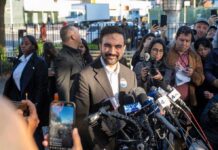
The mayor’s office confirmed that Chief Counsel Ramzi Kassem attended the signing. Officials said Kassem’s team drafted both executive orders as part of routine legal work. During the ceremony, a pen used for the signing was handed to Kassem, which is a common token of staff credit. Critics seized on Kassem’s past work as a defense lawyer to question the symbolism of that moment, but the office described his presence as tied to his official duties and authorship.
The city’s formal materials stressed purpose over optics. They emphasized honoring the dead, supporting families, and focusing the public on service. They also highlighted building a stronger continuity framework, including a task force to align agencies on plans and drills. That language positioned the event as both a memorial act and a governance step. It did not reference political opponents or foreign enemies and kept attention on policy actions and remembrance practices.
How the Political Clash Emerged Over “Messaging”
New York City Councilwoman Vickie Paladino argued the orders and the ceremony were symbolic signals. She claimed the mayor was “sending a message,” even invoking Osama bin Laden in her critique during an on-air exchange. Her comments framed the event as cryptic, not just administrative. That rhetoric elevated the optics debate, especially given the pen handoff and the chief counsel’s role. The accusation itself came from a political interview rather than a city document or speech text.
https://t.co/wUL6e08hRT STAY AWAY !!! “I am demanding that he not show his face at that sacred ground!" NYC Council Member Vickie Paladino tears into Mayor Zohran Mamdani for associating with Hasan Piker and other radical figures as she joins 9/11 victims' families…
— Ann Gables (@GablesGables5) September 9, 2026
The official record presents a different intent. City releases linked the actions to honoring the victims and to reducing risk in future crises. They set a moment of silence, community service framing, and stronger continuity planning as the core aims. That documented purpose conflicts with the claim that the event was designed as a hostile message. A brief caveat is that public rituals often carry many meanings to different audiences, which can fuel disputes over how to “read” the moment.
Why This Matters Beyond New York City
Anniversaries of national trauma tend to blend grief, pride, and politics. When leaders mix memorial language with security steps, supporters often see resolve, while critics see staged theater. That split grows when past legal work or associations color how people view an official. In this case, the city put remembrance and preparedness in the same frame. The clash shows how public trust breaks down when symbols overshadow substance, and when government actions feel more like image than service.
Sources:
mediaite.com, nyc.gov, cnn.com
© primechronicle.org 2026. All rights reserved.