

Washington is reviving Monroe Doctrine-style policy across the Americas, tying migration, cartels, and foreign rivals into one hemispheric push backed by new visa bans and defense outreach.
Story Snapshot
- The 2025 security strategy makes the Western Hemisphere a top U.S. priority.
- A new visa restriction policy targets actors aiding adversaries in the region.
- Senior officials link the approach to a modern Monroe Doctrine frame.
- Counter-cartel plans place the hemisphere at the center of U.S. security.
Administration Sets Western Hemisphere as Priority
The administration’s 2025 National Security Strategy names the Western Hemisphere as a priority and calls for restoring American preeminence. Congressional research summaries say the plan seeks to curb migration surges, block drug flows, and build stability with partners across the region. Officials present the agenda as a reset after “years of neglect.” The stated aim is to keep outside powers from gaining a foothold while aligning security, economic, and border goals under one regional focus.
White House messaging has sharpened that focus. In January 2026, the administration tied regional policy to stopping hostile regimes and traffickers from using the Americas as a launchpad. Secretary of State Marco Rubio said the United States would not allow the hemisphere to become a base for adversaries, competitors, or rivals. The statement signals a tougher line that blends classic deterrence with today’s concerns about cartels, digital influence, and state-backed networks working through local partners.
Visa Bans Target Support for Adversaries
The State Department expanded visa restrictions in April 2026 for people in the region who help adversarial activity. The policy allows the United States to deny visas to those who knowingly direct, authorize, fund, or provide significant support to efforts that undermine American interests in the hemisphere. The move gives diplomats and consular officers a sharper tool to pressure intermediaries, not just state officials. It also links travel access to behavior that aids foreign influence or criminal enterprises.
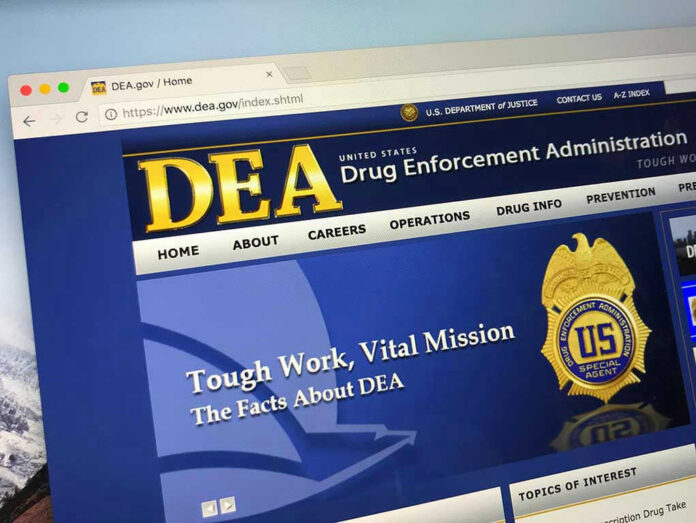
Officials frame these steps as part of a broader “homeland and hemisphere” security arc. The White House’s updated counterterrorism strategy in May 2026 puts the destruction of cartels at the top of the agenda, identifying the Western Hemisphere as a primary arena for action. The plan connects cartel finance, synthetic drugs, and cross-border flows to a wider threat picture. That picture includes foreign state support, proxy networks, and corruption that can weaken democratic institutions and public safety across the region.
Defense Outreach Revives Monroe Doctrine Language
At a meeting of defense ministers from the Americas in July, a senior Pentagon official invoked the “best tradition of the Monroe Doctrine.” He said the goal is to protect U.S. security by empowering Latin American partners, signaling a cooperative defense frame with a strong U.S. lead. Analysts and aligned documents have labeled the shift a “Trump Corollary” to the Monroe Doctrine, focused on denying access to non-hemispheric competitors and restoring regional dominance in practice.
The Monroe Doctrine kept empires out. The Monroe Doctrine builds partnerships. But doctrines are policy — they shift with each administration. Venezuela as State 51 makes hemispheric unity constitutional, not rhetorical. The ultimate Monroe move isn't a doctrine. It's a star on👇 https://t.co/6ebBMwo3p4
— Fraternidad Estados Unidos de Venezuela 🇻🇪 🇺🇸 (@FraternidadVz) August 31, 2026
The government’s public record shows a forceful posture, even if not a single, formal doctrine memo. The core elements appear across strategy summaries, White House releases, and operational moves. Together, they outline a playbook: deter outside powers, hit cartels hard, tighten borders, and use targeted sanctions and visa bans to squeeze helpers. Supporters see a needed correction to protect families from drugs, crime, and chaos. Critics worry about sovereignty strain and mission creep if terms stay broad.
What This Means for Americans
For many readers, the stakes feel close to home. The plan promises tougher action on fentanyl precursors, gang finance, and cross-border crime that raise fear in communities. It also aims to slow illegal migration by pushing security outward, into the region. But firm rhetoric can spark pushback from neighbors who remember past U.S. overreach. Lasting gains likely depend on clear rules, shared metrics, and visible wins against cartels that improve daily life on both sides of the border.
Sources:
pjmedia.com, state.gov, everycrsreport.com, npr.org, wsws.org, jiia.or.jp
© primechronicle.org 2026. All rights reserved.