
Justice Samuel Alito stepped aside from a blockbuster climate case after scrutiny over his oil and gas stock holdings, reviving calls to keep Supreme Court investments truly blind.
Story Snapshot
- Alito recused from a major climate lawsuit dispute after attention to his energy stocks.
- He owned oil and gas shares but not in the two companies directly in the case.
- Watchdog groups said his holdings risked the appearance of bias and urged action.
- The Court’s code says justices should step aside when impartiality is in doubt.
What Prompted the Recusal
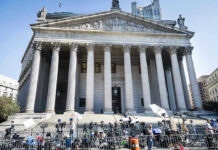
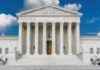
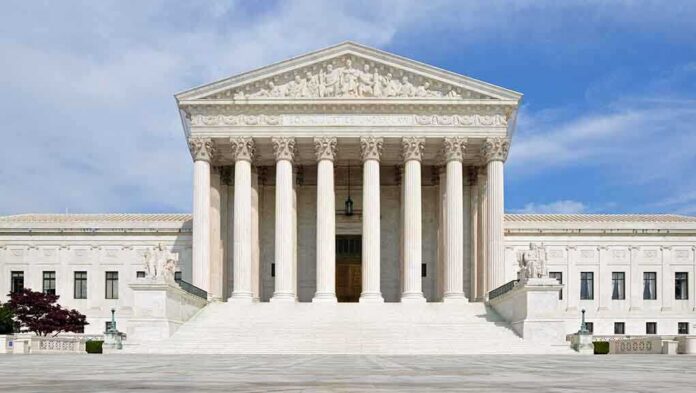
Reuters and the Associated Press reported on September 28, 2026, that Justice Samuel Alito will not take part in a Supreme Court climate case involving oil companies, after questions about his energy stock holdings. The dispute concerns whether major climate damage lawsuits should proceed in state courts or be moved or dismissed, a decision with broad effects on the fossil-fuel industry. The recusal alters the Court’s lineup in a case that could shape where many climate suits are fought.
NBC News, CNN, Politico, and other outlets tied the timing of the recusal to public scrutiny of Alito’s disclosed portfolio, which included oil and gas stocks. Consumer Watchdog and a coalition of advocacy groups pressed for an inquiry and urged him to step aside, arguing his investments could create an indirect benefit if rulings favored the industry. The move followed days of attention to his most recent disclosure and the case’s high financial stakes for energy companies.
What Alito Owned — And What He Did Not
Reuters reported that Alito owned shares in several oil and gas companies, including ConocoPhillips and Phillips 66, but did not own Exxon Mobil or Suncor Energy, the named companies in the case. That distinction matters for direct conflicts, but it did not quiet the larger concern about the appearance of bias. Inside Climate News reported that a watchdog review found overlaps between Alito’s holdings and firms connected to climate cases stayed pending the Supreme Court dispute.
ABC News reported that Consumer Watchdog warned Alito could indirectly benefit from an industry-favorable decision because broad rulings can lift the sector as a whole, not just one company. That argument focuses on market effects rather than party-specific ties. Several outlets, including the Associated Press, also noted that Alito’s step-back came after mounting criticism, not a formal ethics finding, which keeps the focus on perception and trust rather than proven misconduct.
The Rules on Recusal and Why They Matter
The Supreme Court’s code of conduct says a justice should recuse when their impartiality “might reasonably be questioned” and when they have a financial interest in the subject matter or a party. Federal law and past cases set a similar standard, aiming to protect due process when money or relationships could affect judgment. Those rules rely on justices to manage their own recusals and to disclose their finances, which means the system depends on personal judgment backed by public transparency.
This structure often triggers disputes when a case could affect a sector where a justice holds stock. Critics on the left and right see a simple fix: end direct stock ownership or use true blind trusts so justices neither know nor control specific holdings. Supporters argue disclosures and self-recusal already protect fairness. The Alito episode highlights both views. It shows the code in action through recusal, yet it also shows how fast public faith can fade when money and cases appear to mix.
What This Means for the Bigger Fight Over Trust
Many Americans believe powerful insiders play by different rules. This case taps that fear. People who back fossil fuels want stable rules and affordable energy. People who want faster climate action want courts free from any hint of bias. Both sides agree on one thing: judges should not sit on cases if their money touches the outcome. The Court now faces a choice between preserving self-policing or embracing stronger guardrails to protect confidence in equal justice.
Sources:
zerohedge.com, nbcnews.com, abcnews.com, cnbc.com, today.rtl.lu, cnn.com, yahoo.com, reuters.com, scotusblog.com, politico.com
© primechronicle.org 2026. All rights reserved.