
Democratic strategists in key battlegrounds are telling Rep. Alexandria Ocasio-Cortez to stay off the trail because “the polling is atrocious,” exposing a deep split over how to win swing districts.
Story Highlights
- Axios reports some swing-state Democrats asked AOC’s team not to campaign for them.
- Supporters say AOC boosts turnout among young voters and people of color.
- Gov. Kathy Hochul says AOC brings energy and helps build statewide momentum.
- AOC’s 2024 memo touts large voter-contact efforts and a local early-vote jump.
What sparked the internal warning
Axios reported that Democrats in critical battleground races have asked Rep. Alexandria Ocasio-Cortez’s team to stay away from their campaigns, citing poor polling for her brand in swing districts. One senior Democratic strategist called her a “lightning rod,” arguing her presence could backfire with independents. This request shows a tactical choice: reduce backlash risk in tight races, even if it means passing on the media attention and money a high-profile surrogate can bring.
Democrats often face this math in close districts. Campaigns weigh whether a star can lift turnout more than they drive away moderates. Research and past cycles show progressive figures can fire up core voters but sometimes hurt with swing voters in competitive areas, leading to selective use of surrogates near Election Day. That is why a message that works in a deep-blue city may not translate in suburbs or rural counties where the median voter is more cautious about ideology.
AOC’s case: turnout and energy
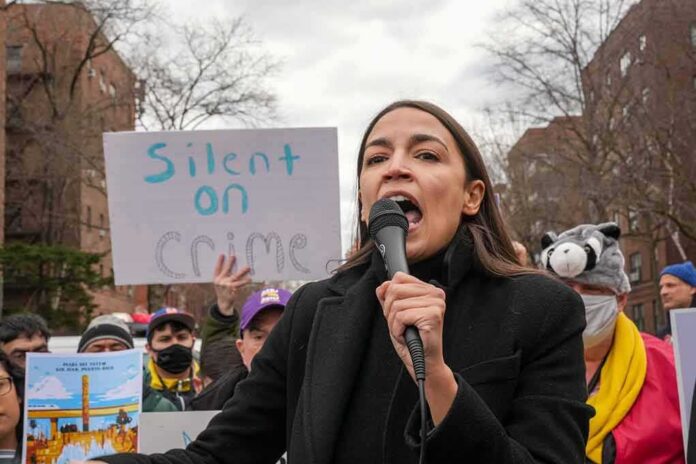
Allies argue AOC helps where Democrats must juice base turnout. The New York Daily News reported she planned stops in Syracuse, Utica, and Buffalo to mobilize young voters and people of color, groups that often decide close races when they show up. New York Governor Kathy Hochul backed that plan, saying AOC brings energy and engages young people, and that she asked her to help build momentum statewide for the next election push.
AOC’s team points to concrete ground work. A 2024 campaign memo says her operation knocked more than one hundred thirty thousand doors, made over one hundred thirty-nine thousand calls, and sent more than two hundred fifty thousand texts. The memo also claims early voting rose sixty-seven percent year over year in parts of her district, and that her social videos move voters toward Democrats. Those are self-reported numbers, but they show a clear turnout strategy.
Why both left and right see warning signs
Voters on both sides feel the political class plays branding games while real problems persist. The Axios report shows Democrats are managing image risks instead of uniting on a policy pitch that wins cross-pressured voters who worry about costs, crime, and trust in government. Many conservatives see AOC’s policies as too far left. Many liberals see party gatekeepers blocking bold ideas. Both sides suspect party elites choose optics over straight answers on the economy and public safety.
That shared frustration grows when parties tailor messages for donors, not neighborhoods. Swing-district Democrats fear a national figure could overshadow local issues. Progressives fear low energy if the message is watered down. Neither solves the basic gap: families need lower costs, safer streets, and confidence that leaders answer to them, not to consultants. When campaigns argue over who can appear on stage, they risk missing what voters say at the kitchen table.
How this could shape 2026
Tight races often come down to two things: who turns out and who wins the middle. Limiting AOC in swing areas might protect moderates from backlash, but it could also dampen base enthusiasm. Letting her campaign widely could spark youth turnout, yet risk alienating independents. The smarter path for Democrats may be local control: invite her into deep-blue pockets to power volunteers and donations, while keeping swing suburbs focused on cost of living and public safety.
▫️Democrats in swing states are reportedly keeping AOC at arm’s length▫️
🔵 Some battleground Democrats are actively telling her team to stay away— Axios reports that candidates in several competitive 2026 races have asked Rep. Alexandria Ocasio-Cortez not to campaign for them,…
— Washington Report (@Washington_Rep) September 28, 2026
For voters, the lesson is simple. Demand specifics from every candidate, not just applause lines from stars. Ask how they will lower energy and grocery bills, secure the border with fairness, and hold both corporations and agencies to account. If parties keep arguing over personalities, expect more gridlock after Election Day. If they address real needs in plain terms, they might rebuild trust that the federal government can still work for the people.
Sources:
axios.com, x.com, msn.com, theguardian.com, cnn.com
© primechronicle.org 2026. All rights reserved.