
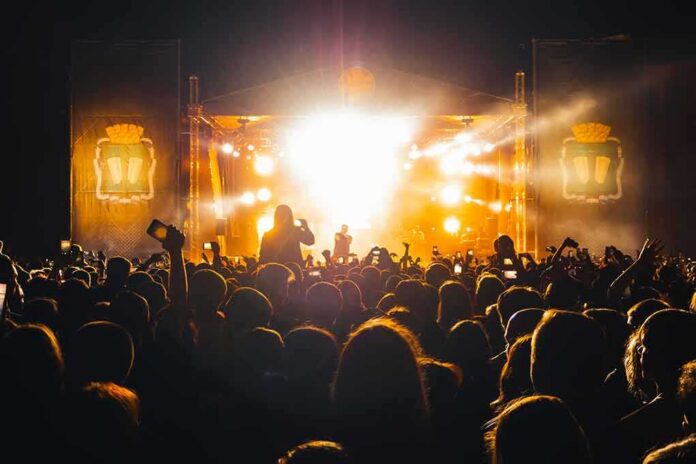
Ed Sheeran’s Philadelphia stop turned into a test of who controls speech on America’s biggest stages after Macklemore’s Gaza remarks got him dropped from the tour.
Story Snapshot
- Macklemore was removed from Sheeran’s tour after pro-Palestinian remarks at MetLife Stadium.
- Macklemore defended his speech as a call for peace, dignity, and equality.
- Ed Sheeran said a promoter made the removal decision, not him.
- Protesters in Philadelphia rallied outside the venue as the tour moved on.
What Sparked The Fallout At MetLife Stadium
Reporters said Macklemore used his opening set at MetLife Stadium to say “Free Palestine,” perform “Hind’s Hall,” and link his message to broader political issues, including a line condemning the immigration enforcement agency by name. He later described his message as peace, dignity, and equality for all people. Coverage captured these points but did not publish a full, unedited transcript of the entire speech, which limits exact context and sequencing.
Backlash formed fast. The Israeli American Council argued the concert was not a political rally and said the set pushed “one-sided” claims. Supporters framed the speech as a moral duty. Macklemore posted that he accepted responsibility for speaking, even if it cost him. The diverging reactions showed a split that now follows many live shows when artists raise hot-button issues on large commercial stages.
Why Macklemore Was Dropped And How Sheeran Explained It
News outlets reported Macklemore was dropped from the tour days after the New Jersey shows. Macklemore and Ed Sheeran both addressed the decision. Sheeran said the move came from the event promoter, not from him personally, and that he tried to find a solution with the promoter and stadium stakeholders. He also praised Macklemore’s conviction while avoiding taking a position on the Israel and Palestine conflict itself.
Macklemore said he and Sheeran had difficult talks and a fundamental disagreement over onstage speech before the removal. He added that powerful venue interests pressured the tour, a claim reported in coverage of the dispute. Those reports did not include full contract records or internal emails, so the public cannot verify every step behind the scenes. What is clear is that business gatekeepers held real leverage over access to the stage.
Philadelphia’s Crowd, Protests, And The Free Speech Tension
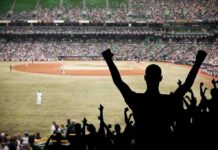
As the tour reached Philadelphia, protesters gathered outside Lincoln Financial Field. Demonstrators chanted support for Palestine and said they would bring the message even if Macklemore could not. Their presence showed how one set in New Jersey rippled across state lines and kept the issue alive at the next stop. The activism outside the venue highlighted how fans now treat stadium grounds as public squares, even when the stage itself is closely managed.
But it’s just not true.
Colin Kaepernick was “canceled” (for lack of a better word) for kneeling during the national anthem.
Jimmy Kimmel was briefly canceled (literally) for his comments on Charlie Kirk.
And people are incorrectly pretending Macklemore only said “Free…
— Viva Frei (@thevivafrei) September 18, 2026
This fight reflects a bigger trend in American life. Artists want room to speak, and fans on both sides want to be heard. Promoters, venue owners, and sponsors worry about brand risk, safety, and sales. In practice, those who control the building often control the mic. That dynamic fuels the feeling, on left and right, that powerful interests set the boundaries while everyday people are told to sit down and sing along.
How To Read The Claims And The Evidence
The core facts are firm: Macklemore voiced pro-Palestinian views onstage; the tour dropped him; Sheeran says a promoter made the call; protests followed. Some details remain thin. No full, unedited transcript has surfaced. Internal contracts and emails have not been released. Given those gaps, sweeping claims about intent, safety risks, or formal blacklists cannot be proven here. But the pattern is visible: money and access shape speech on the biggest platforms, and the public sees it happen in real time.
Why It Matters Beyond One Concert
When a stadium show becomes a speech flashpoint, the lesson travels. Performers will think twice. Promoters will tighten rules. Fans will organize outside the gates. Both conservatives and liberals can see their own worries here. Some fear elites policing speech they dislike. Others fear that stadium shows will become partisan rallies. Either way, trust erodes when decisions happen behind closed doors and the people buying tickets have no say.
Bottom Line For Readers
Big stages are not neutral ground. Private decision-makers set limits, often fast and without transparency. That can sideline speech many Americans, across the spectrum, want to hear, even when they disagree. Clear rules, published in advance, and equal enforcement would help. Until then, expect more clashes like this one: artists speaking out, venue bosses pulling rank, and the public arguing on the sidewalk while the show goes on inside.
Sources:
consequence.net, theguardian.com, variety.com, bbc.com, aljazeera.com
© primechronicle.org 2026. All rights reserved.