
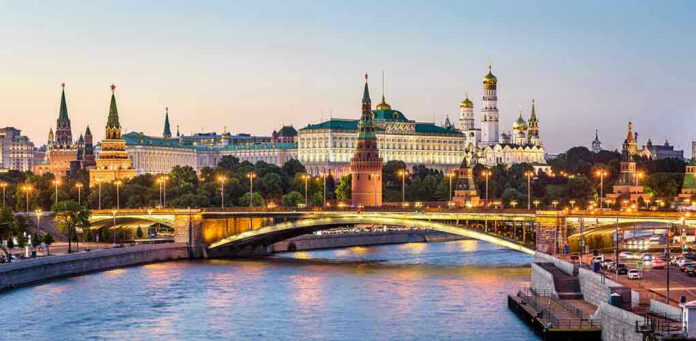
An anonymous trader just wagered $370,000 that Vladimir Putin will be out of power by New Year’s Eve, daring the odds and raising fresh fears about who profits from world crises.
Story Snapshot
- An unknown bettor placed about $370,000 on Putin leaving office by December 31, 2026.
- Market consensus still prices Putin staying in power at roughly 86–91%.
- The bet follows a pattern where large, anonymous political wagers spark insider-trading concerns.
- Social videos alleging mutiny and market chaos lack independent confirmation and remain disputed.
A Big Bet Against the Market’s View
Polymarket records show a single, anonymous account placed about $370,000 on a contract that pays if Vladimir Putin leaves office by December 31, 2026. The event’s live pricing still gives a low chance to that outcome, with “Yes” trading in the single to low teens, implying the crowd expects Putin to remain through year-end. The identity, track record, and motive of the trader are unknown. That gap leaves room for hype, guesswork, or private knowledge—none of which the public can verify.
Polymarket, like other prediction markets, turns news into tradable odds. Prices can move fast on headlines, rumors, or sharp money. Large orders can shift thin markets, then attract attention that looks like proof. Here, the outsize wager conflicts with the broader market view, which still prices a strong chance that Putin stays in power. Traders often read these splits as a test: either the whale is wrong, or the crowd is missing something it cannot yet see.
Unverified Claims Feed the Hype Cycle
Viral videos on social platforms claim a brewing mutiny against Putin, a five percent market plunge, and emergency cash moves by Russia’s central bank. These claims, as presented, lack public confirmation from Russian authorities, Western governments, or independent auditors. The creator narratives remain disputed and flagged as unverified in places. Without named sources or documents, they are not reliable anchors for risk. Readers should treat those claims as allegations, not established facts.
Some posts cite a former Russian officer who spoke of turning weapons on the Kremlin, then later tried to distance himself from open rebellion. The Kremlin’s spokesperson also downplayed that appeal. None of this proves a power split at the top. It does show a familiar pattern in closed systems: rumors fill the gap where data is scarce, and that vacuum becomes tradable. Markets can price that fog, but they cannot confirm it on their own.
Why This Bet Matters Beyond Russia
Anonymous, high-dollar wagers on geopolitical shocks have grown common. Investigations this year flagged dozens of oddly timed trades on major conflict events, raising alarms that some bettors might have access to sensitive information. Reporters and researchers found clusters of accounts making near-perfect calls on war milestones and strikes with remarkable timing, and profiting big. Those findings fueled calls for new guardrails on political betting to protect national security and public trust.
An unknown investor has bet $370,000 that Putin will step down as President of the Russian Federation by the end of 2026.
The bet was placed on the prediction platform Polymarket.Trump? pic.twitter.com/La8hmYbsPw
— Jürgen Nauditt 🇩🇪🇺🇦 (@jurgen_nauditt) July 1, 2026
That context is why this Putin wager stands out. It may be a bold guess, a hedge, or a signal from someone closer to events. We do not know. The problem is the system invites doubt. When large, secret bets overlap with war, energy flows, and global markets, people see a game rigged by insiders. That anger is not partisan. It reflects a broader belief that elites profit while ordinary people face higher costs and rising risk.
How to Read the Odds Without Getting Played
Prediction markets can be useful. They aggregate views fast and update with new information. But they are not truth machines. One large order can move a thin market. One viral video can nudge prices even if claims are weak. The best approach is simple: treat prices as signals, not proof. Look for corroboration from named officials, public records, or respected outlets before treating a rumor as real. Until then, keep a clear line between risk and fact.
What Could Confirm a Real Shift
Clear signs would include formal moves inside Russia’s government, verified court actions, or public statements by top security leaders. Independent reporting that shows military fractures with dates, units, and documents would carry more weight than vague posts. If Western or Russian authorities confirm major market or monetary steps with numbers and reasons, that would also matter. Until then, the market’s overall odds still say Putin is likely to remain in power through 2026.
Sources:
© primechronicle.org 2026. All rights reserved.