
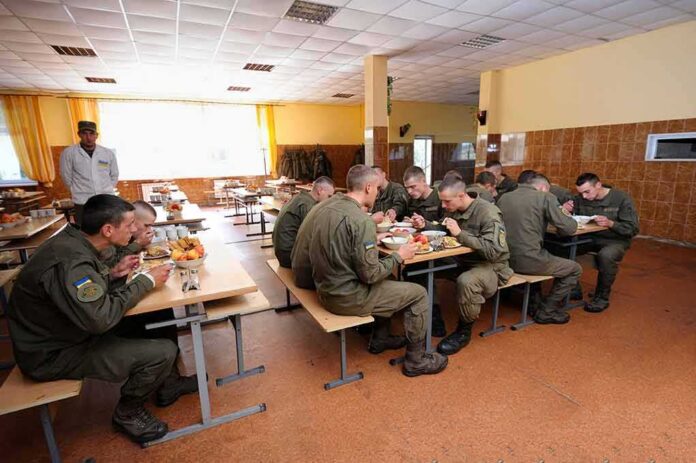
Fort Shafter’s food truck is a stopgap with a bigger message: the Army still cannot feed every soldier through a normal dining hall.
Story Snapshot
- About 500 soldiers at Fort Shafter have no dining facility on post.
- The Army opened The Outpost food truck as a temporary food option.
- Army leaders say the truck supports readiness while the dining facility is modernized.
- The program fits a wider Army trend of using food trucks where access to meals is weak.
Why the Army Put a Food Truck on Post
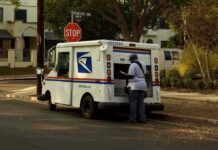
The Army opened The Outpost at Fort Shafter because soldiers there do not have a dining hall nearby. Reporting says the post has lacked a dining facility since 2012, and officials say the closest dining option is a 19-minute drive away. The truck serves soldiers on Tuesdays and Thursdays and is meant to give them quick, affordable meals during the workday.
Army leaders describe the truck as a bridge, not a final fix. The service says the mobile kitchen improves access to nutritious meals for soldiers who receive Basic Allowance for Subsistence while the installation dining facility is closed for modernization. The Army also says the program helps culinary specialists keep their skills sharp for field operations, which ties daily food service to combat readiness.
How The Outpost Fits the Army’s Food Plan
The Fort Shafter truck is part of a larger Army food modernization push. Army reporting says The Culinary Outpost concept is designed to bring food service closer to soldiers who live, work, and train away from a traditional dining facility. The Army has used food trucks, kiosks, and similar setups at other bases for years, especially in remote or hard-to-serve places.
That broader pattern matters because the Fort Shafter case is not a one-off. Army and Defense Logistics Agency reporting show the food truck program began as a pilot in 2017 and later spread to multiple installations. In Hawaii, the same effort now sits alongside plans for campus-style dining venues, which the Army says will offer more accessible and flexible meals when they are complete.
What Soldiers Get Right Now
Soldiers using The Outpost can buy fresh meals instead of relying only on local stores or long drives off post. Coverage says prices run about seven to ten dollars, and the truck can also sell vacuum-sealed meals for later in the week. Army materials say the menu is meant to be affordable, nutritious, and easy to use for a unit that has gone too long without a full dining hall.
I'm glad to see Fort Shafter Soldiers getting BAS Type II and Hawaii is trying to find other solutions to feed troops there. Looking forward to the reviews.
It is incredibly frustrating that the Army and Marines have a plan to consolidate DFACs when there is insufficient use… https://t.co/neJGOoHwWT pic.twitter.com/eOJGVrXrwG
— hots&cots (@hotscots_app) August 11, 2026
The Fort Shafter story also speaks to a wider frustration that cuts across politics: the government often patches over broken systems instead of fixing them fast. Here, the Army is trying to solve a real problem with the tools it has. The food truck may help soldiers eat better today, but it also shows how long it can take a large bureaucracy to replace basic infrastructure with something permanent.
Sources:
taskandpurpose.com, dvidshub.net, militarytimes.com, militarypoisons.org, api.army.mil, dla.mil
© primechronicle.org 2026. All rights reserved.