
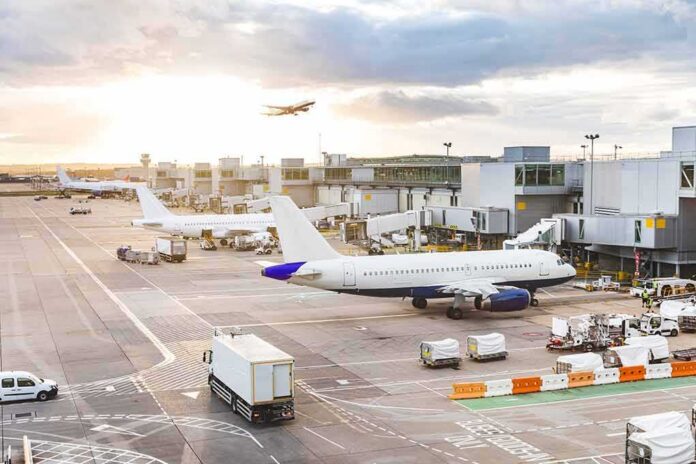
Passengers and crew stormed a cockpit to stop a stabbing pilot as the jet plunged, then helped land the plane safely.
Story Snapshot
- Israel’s leader said a pilot stabbed the other and “apparently tried to crash the plane.”
- The flight sent emergency transponder codes for general emergency and then unlawful interference.
- Passengers and crew overpowered the attacker and the aircraft diverted to Tabuk, Saudi Arabia.
- Investigators are probing motive; talk of an Iran link remains described as too early to call.
What Officials Say Happened Onboard
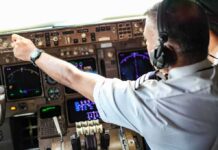
Israeli Prime Minister Benjamin Netanyahu said one Flydubai pilot stabbed the other mid-flight and “apparently tried to crash the plane,” shifting the event from a routine diversion to a suspected deliberate attack. The Israel-bound flight diverted to Tabuk, Saudi Arabia, after the struggle in the cockpit. Reporting states passengers and crew entered the cockpit, helped subdue the attacker, and enabled a safe landing. The injured pilot survived and is being hailed for saving lives.
Public statements describe the event in stark terms. Netanyahu praised the “hero” pilot and said investigators would dig into whether the attacker had help or foreign backing. He added it was too early to say if Iran had any role, signaling an active but open probe. Other outlets reported Israeli officials calling it an act of terror, while also stressing that facts will come from the investigation. The core account of a cockpit assault remains consistent across major reports.
How The Emergency Unfolded In The Air
Flight-tracking reports show the aircraft first squawked 7700, a general emergency, and then 7500, which signals unlawful interference or a hijacking risk. Those codes alert controllers to shift procedures and prepare security steps. Reports also describe a violent drop of nearly 14,000 feet in under 30 seconds around the time of the cockpit fight, which helps explain the fear among passengers. The crew and passengers forced control back, and the jet stabilized and landed.
Understanding the codes matters. A 7700 squawk tells controllers there is a serious emergency and the aircraft needs help right away. A 7500 squawk signals unlawful interference, such as a hijacking, and triggers quiet, specific responses on the ground. These signals do not prove motive by themselves, but they explain why authorities treated this as a major security incident from the first minutes. The sequence described fits the reports of a cockpit assault and diversion.
What Investigators Are Looking For Next
Investigators will examine cockpit voice recordings, flight data, and crew and passenger interviews to confirm the timeline. Forensic checks on injuries and any weapon used will help show how the attack began and who acted when. Leaders in Israel said they will join the probe. They also raised the question of accomplices or foreign support, while saying the evidence for an Iran link is not established at this stage. Public updates will likely arrive in phases.
Flight data shows a FlyDubai aircraft dropping from about 34,000 feet to 15,000 feet in just minutes after an alleged attack inside the cockpit.
Israeli Prime Minister Benjamin Netanyahu said the copilot stabbed the other pilot and then tried to crash the plane before passengers… pic.twitter.com/Fl2nCbfK3N
— The Project (@theprojecttv) October 1, 2026
Airlines, regulators, and passengers share a core concern: keeping bad actors out of the flight deck. This case will renew focus on access rules, mental health screening, and two-person cockpit policies on long routes. It will also test how fast cross-border teams can gather and share facts. People on the right and left agree on one point here: when security fails, working families pay the price. The system must prove it can protect them in the air, without excuses.
Sources:
© primechronicle.org 2026. All rights reserved.