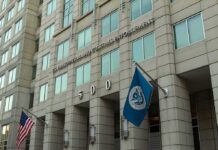


New York City’s own water and air safety agency pleaded guilty to two federal environmental crimes just weeks before it took charge of telling New Yorkers the air was safe to breathe after 9/11.
Story Snapshot
- The Department of Environmental Protection pleaded guilty in federal court in August 2001 to violating the Clean Water Act and the Toxic Substances Control Act.
- One violation involved mercury-tainted water reaching a reservoir that supplies the city’s drinking water; the other involved PCB-contaminated equipment at a Westchester County facility.
- The agency paid a $50,000 fine and was placed on three years’ probation, starting roughly six weeks before the September 11 attacks.
- That same agency later led the city’s public air quality messaging around Ground Zero, now under fresh scrutiny after 170,000 pages of records surfaced.
- A Department of Environmental Protection spokesperson says the underlying mercury discharge happened back in 1998, years before the September 11 attacks.
A Guilty Plea Weeks Before the Towers Fell
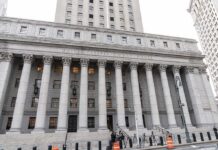
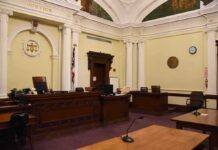
Court and city records show the Department of Environmental Protection pleaded guilty in federal court in August 2001 to two criminal environmental violations. The agency paid a $50,000 fine and started a three-year probation term that same month, according to a city budget review. The timing put the plea roughly six weeks before the September 11 attacks on the World Trade Center.
What the Agency Admitted To
One violation involved discharging water contaminated with mercury into a tributary feeding an upstate reservoir that supplies New York City’s drinking water, breaking the Clean Water Act. The second involved improperly using machines contaminated with PCBs, a toxic industrial chemical, at a water supply facility in Westchester County, violating the Toxic Substances Control Act. A Department of Environmental Protection spokesperson later said the mercury discharge itself happened in 1998, years before the September 11 attacks, even though the guilty plea came in August 2001.
The Same Agency Led the Post-9/11 Air Response
Robert Carboy, a named commentator with direct knowledge of the agency’s record, put it bluntly: the Department of Environmental Protection, “evidently convicted of federal environmental offenses August 1, weeks before World Trade Center fell, led the City’s air quality response after September 11”. The agency is the one New York City put in charge of protecting residents’ air and water. Its fresh criminal record raises questions about how much weight its post-9/11 safety assurances deserved at the time.
Federal prosecutors did not let the matter drop quietly. Years later, the Manhattan U.S. Attorney’s Office submitted court communications that specifically referenced the agency’s earlier conviction, and a 2006 statement from that office was titled around the agency “Admits Federal Court Violating Probation”. A separate federal filing confirms the agency had been “serving a term of probation since August 2001” tied to the case.
New Records Reopen the Credibility Fight
This conviction resurfaced as part of a much larger disclosure fight. New York City released more than 170,000 pages of previously hidden records in September 2026, showing officials knew conditions near Ground Zero were dangerous even while publicly telling residents the air was safe. The city had fought in court for years to keep those records from the public. The newly surfaced conviction adds another layer to an agency whose credibility was already being questioned.
Taken together, the records paint a picture of a city agency that broke federal environmental law shortly before a national disaster, then became the public voice reassuring residents about toxic air. That sequence alone does not prove the agency lied about air quality. But it does show the same institution asking the public for trust had just admitted, under oath, to breaking the very laws meant to protect that public.
What We Don’t Know Yet
The original criminal docket, indictment, and plea agreement have not been made public alongside this reporting, so the exact legal mechanism behind the “admitted guilt” language remains unconfirmed. It is also unclear who at the agency entered the plea or whether city officials disclosed the conviction to the public at the time. Those gaps matter for anyone trying to judge how seriously the city treated its own environmental enforcement record before September 11, 2001.
For a public already skeptical of government agencies managing their own oversight, this story lands as one more example of an institution judging itself while asking residents to simply trust the results. Whether through a criminal docket, archived court filings, or sworn testimony from the officials involved, the full record of what happened in August 2001 remains worth pulling into the light.
Sources:
nypost.com, newyorkexplained.com, bbc.com, usatoday.com
© primechronicle.org 2026. All rights reserved.