
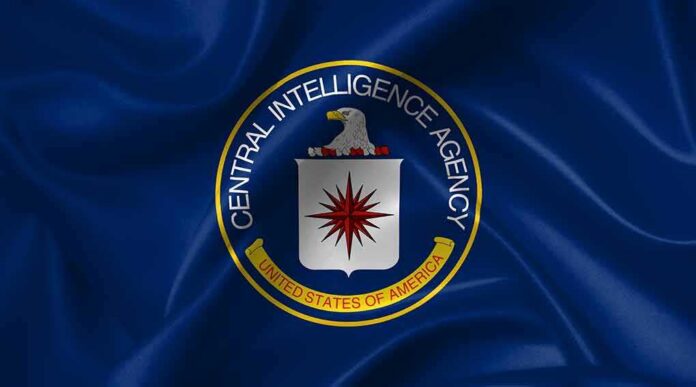
A sitting U.S. Secretary of State publicly urged Cubans to build a “discreet” partnership with the Central Intelligence Agency to push political change on the island.
Story Highlights
- Secretary of State Marco Rubio posted on X urging Cubans to discreetly work with the Central Intelligence Agency for change.
- Rubio cited broken promises, corruption, and elite privilege in Cuba as reasons for action.
- Cuban officials rejected the appeal as a threat to sovereignty and warned against U.S. hostility.
- The statement named no program, process, or safeguards, leaving major policy and legal questions open.
What Rubio Said And Why It Matters
On October 23, 2026, Secretary of State Marco Rubio used his verified X account to call on Cubans to “seize this opportunity” by forming a discreet partnership with the Central Intelligence Agency to create change in Cuba. The post pointed to failed promises, corruption, and privileges for a few as drivers of discontent. The message did not cite a program or channel. It also did not explain what actions were sought or how participants would be protected.
Rubio’s appeal drew fast attention across Spanish and English outlets. Reports said the post reached a large audience within hours, boosting its visibility at home and abroad. The phrasing centered the Central Intelligence Agency, which makes this more than normal diplomacy. It links a senior U.S. diplomat to covert collaboration in public view. That framing raises the stakes for U.S.-Cuba relations and for people inside Cuba who might respond.
How Havana Responded And The Historical Shadow
Cuban officials rejected the message. Foreign Minister Bruno Rodríguez denounced U.S. threats and warned against hostile aims toward the island’s sovereignty. Cuban narratives cite decades of Central Intelligence Agency covert action, including the failed 1961 Bay of Pigs invasion, as proof that such efforts harm the country and do not bring stable change. That history shapes how many inside and outside Cuba will read Rubio’s call today.
That shadow is not only political memory. A Central Intelligence Agency internal review of the Bay of Pigs detailed planning failures and unrealistic expectations, findings that still inform debate on covert action. Scholarship and policy analysis likewise report that covert regime change often falls short of goals. One study shows covert efforts replaced leaders in about 39 percent of Cold War cases, versus 66 percent for overt action. Those baselines caution against easy wins from secret partnerships.
Policy, Law, And Risks On Both Sides
The public record offers no evidence that the Central Intelligence Agency confirmed or authorized a program that matches Rubio’s post. Reports describe an appeal, not an announced operation with legal authority, oversight, or a secure contact path. Under U.S. law, covert action requires a presidential finding and notification to congressional intelligence committees, but no such specifics were cited in the coverage. The gap leaves citizens guessing about intent, rules, and safety.
Trump signals possible new action on Cuba, while Secretary of State Marco Rubio openly calls for discreet cooperation with the CIA.
Is Washington gathering intelligence, sending a warning to Havana, or both?
Whatever comes next, Cuba remains firmly on Washington’s radar 🇨🇺🇺🇸 pic.twitter.com/dJH9lkQSje
— Josue (Ho-Su-eh) (@WhatJosueSays) October 24, 2026
For people frustrated with elites and government failure, Rubio’s message may feel like action after years of broken promises. For others, it reads as Washington inviting foreign citizens into secret work with unclear guardrails. Both reactions reflect a broader concern: when leaders float high-risk steps without details, regular people bear the cost. If Cubans act on a vague call, they face real danger. If they wait for clarity, they may feel abandoned yet again.
What To Watch Next
Watch for any formal U.S. statements that define scope, legal basis, and protections. Look for Cuban moves to deter contact, such as arrests or new surveillance claims. Track whether the White House, the Central Intelligence Agency, or Congress address oversight and limits. History suggests that secrecy can hide mistakes until it is too late. Clear rules and honest goals are the floor if leaders expect people to risk their lives for promised change.
Sources:
foxnews.com, france24.com, cibercuba.com, cnnespanol.cnn.com, ground.news, en.cibercuba.com, metropoles.com
© primechronicle.org 2026. All rights reserved.