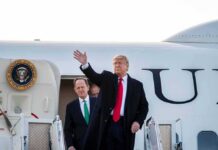

Hours before President Trump’s Daytona Beach rally, deputies arrested a local woman over an Instagram post that threatened to shoot him.
Story Snapshot
- Deputies say the Instagram post named Trump, a Glock, and the Daytona rally.
- Investigators arrested the woman the night before the event, with Secret Service involved.
- Court records list two Florida felony counts tied to written threats and device use.
- The woman told deputies it was a joke, and no gun was found at her home.
Arrest Tied To Specific Threat Before Daytona Rally
Volusia County deputies arrested a 21-year-old Daytona Beach woman after an Instagram post threatened to shoot President Trump at his Friday rally. The caption named the rally and a specific handgun. The Volusia County Sheriff’s Office said the post appeared Thursday night, ahead of the event. The timing and direct language led officers to act before crowds gathered. The post was later deleted. Deputies said the woman admitted creating it after her mother warned her about arrest.
Deputies coordinated with the United States Secret Service, which handles protective security for presidents. Officers went to the woman’s home and took her into custody before the rally. The sheriff publicly warned that threats against a sitting president would not be tolerated. Authorities described the case as a domestic security matter rather than online chatter. That response reflects standard practice when a protectee faces a specific, time-linked threat near a public event.
Charges Under Florida Law And What They Mean
County court records list two charges: making written threats to kill or do bodily injury, a second-degree felony, and using a two-way communications device to commit a felony, a third-degree felony. These statutes focus on the act of making a threat and using a device to do it, not only on whether a suspect can carry it out. Prosecutors often file such counts when they can show clear words that signal harm and a defined target, which the caption described here.
Courts still weigh speech protections. Supreme Court cases draw a line between political speech and “true threats.” In Watts v. United States and later cases, the Court explained that the First Amendment does not protect serious expressions of intent to commit violence. In 2023, the Court ruled states must show a guilty mind level for threat crimes. That means facts about words, timing, and mindset often control outcomes.
What Investigators Reported Finding And Not Finding
Deputies reported several facts that cut both ways for risk. The caption named the rally and a Glock, which raised alarm. The timing, the night before a packed event, added urgency. But the woman told deputies she was joking, said she did not like guns, and denied having one. Deputies reported finding no firearms in the home. Those details may shape bail, charging decisions, and any later ruling on intent and seriousness.
CLOWN MAKEUP THREAT | A 21-year-old Florida woman wearing clown makeup was accused of threatening to shoot President Donald Trump at an upcoming rally, authorities say.https://t.co/G6zOUqrxqZ
— WPEC CBS12 News (@CBS12) October 31, 2026
Security agencies face a tough balance. They must move fast to keep public events safe, yet our system also protects speech. When a post names a president, a place, and a method, officers usually treat it as real until proven otherwise. That can mean swift arrests before all facts are known. Later, courts decide if the words were a crime or reckless talk. This pattern recurs because threats around presidents draw intense, immediate scrutiny.
Sources:
redstate.com, orlandosentinel.com, wesh.com
© primechronicle.org 2026. All rights reserved.