
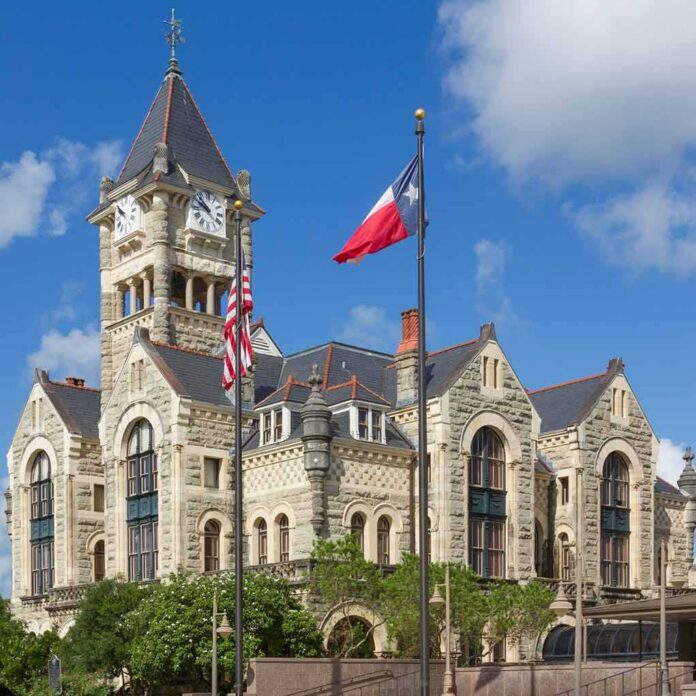
A Dallas County jury convicted rapper Yella Beezy of capital murder for arranging MO3’s daylight highway killing, a verdict built on digital, financial, and witness evidence rather than a single smoking gun.
Story Highlights
- Jurors found Yella Beezy guilty of capital murder tied to a murder-for-hire plot.
- Prosecutors said $40,000 funded the hit, supported by records and messages.
- Video and eyewitness accounts detailed the chase and shooting on Interstate 35E.
- The defense called the case circumstantial and challenged key testimony.
Verdict And Sentence In A High-Profile Murder-For-Hire Case
On November 11, 2026, a Dallas County jury found rapper Yella Beezy, born Markies Conway, guilty of capital murder in the 2020 killing of rapper MO3, born Melvin Noble. The verdict accepted the state’s claim that Conway arranged and funded the attack. The conviction carries a mandatory life sentence without parole under Texas law. Prosecutors said the plot used intermediaries and a hired gunman. Defense lawyers said the state relied on inference, not direct proof, and vowed to appeal.
Jurors reviewed a wide set of materials during deliberations, signaling a case built on many parts rather than one piece of proof. Reporters noted requests for investigative reports, text messages, bank records, an Instagram Live video by MO3, web searches, and lyric transcripts. This mix aimed to show planning, motive, contact between players, and money flow. Prosecutors argued that, taken together, the evidence cleared the bar for guilt. The jury agreed after a multiweek trial.
What The Evidence Showed About The Shooting And The Plot
State witnesses and videos described how gunman Kewon White chased MO3 on Interstate 35E in Dallas, got out during traffic, and fired several times, killing him in broad daylight. A neurosurgeon driving behind MO3 gave an eyewitness account of the attack and the chaos that followed, adding detail to what cameras recorded. Prosecutors said Conway supplied $40,000 for the killing and used others to reach the shooter, linking phone records, messages, and cash activity to that theory.
Prosecutors also leaned on the long feud narrative between the two artists, pointing to statements and lyrics that, they argued, showed motive and intent. The jury asked for lyric transcripts, a rare step that shows how much the courtroom focused on words outside the crime scene. Legal scholars have warned that rap lyrics can be misunderstood and used as character evidence instead of direct proof. Courts still sometimes allow them when they believe the words tie to specific acts.
The Defense Case And The Gaps It Pointed Out
Defense lawyers said the state never produced direct orders, a payment receipt to the gunman, or a recording of Conway commissioning a hit. They argued that the evidence was mostly circumstantial and pushed jurors to see gaps as doubt. They said Conway often withdrew large amounts of cash for family needs, so the $40,000 claim lacked a clear chain from his bank to a hired killer. They also said Conway still had bank funds days later, which cut against a handoff.
🚨 BREAKING NEWS: RAPPER YELLA BEEZY FOUND GUILTY OF CAPITAL MURDER — SENTENCED TO LIFE! ⚖️
Dallas, Texas — November 11, 2026
The hip-hop community is reacting to a shocking verdict involving Dallas rapper Yella Beezy, whose real name is Markies Conway.
On Wednesday, November… pic.twitter.com/ZYnqG3cgMv
— Charming Singleton (@SingleCharming) November 12, 2026
The defense attacked witness credibility, focusing on Theodore Thomas, who linked the feud to motive. Thomas gave changing stories across settings, including saying later that he had lied under oath, which defense lawyers framed as proof of a shaky theory. They also challenged the reading of a message that prosecutors said showed access to shooters, arguing it referred to security staff instead. Jurors heard both sides on lyrics, with the defense calling them art, not confession.
Why This Case Resonates Beyond Hip-Hop
This case taps a broader worry about how the justice system weighs modern evidence. Jurors were asked to connect digital crumbs, cash habits, social media, and art to a deadly act. Supporters see a community protected by a careful, layered case. Skeptics see a system that can lean on interpretation and reputation. The verdict is final for now, but appeals could test how courts treat lyrics, messages, mapping, and money trails in future trials.
What To Watch Next: Appeals, Records, And Transparency
Appeal lawyers may target how the court handled lyrics, the feud testimony, and the money theory. They may also push for a closer look at phone extractions, location mapping, and banking records. More transparency would help the public understand how each piece fit together. Full exhibits and transcripts could show why jurors saw a clear plan rather than loose talk and routine cash use. Until then, this verdict stands as a major test of modern proof.
Sources:
washingtontimes.com, nbcdfw.com, complex.com, legalaffairsandtrials.com, cbsnews.com, thereporteronline.com, powerboise.com, allhiphop.com, fox4news.com, apnews.com, dallasnews.com
© primechronicle.org 2026. All rights reserved.