
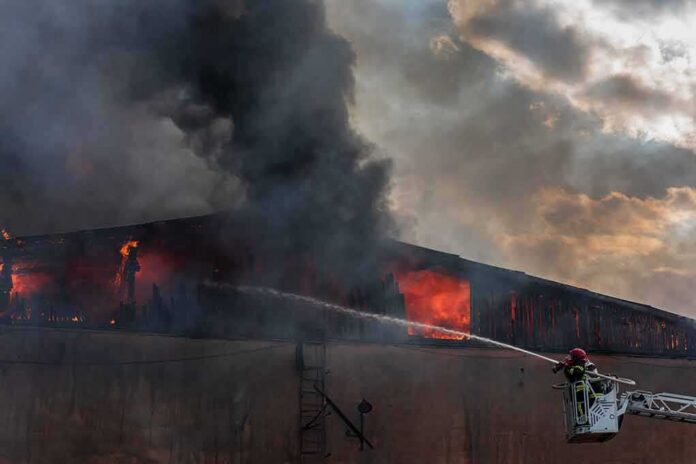
New York City fire deaths have surged to 90 this year, almost double last year’s pace, after two people died in separate daytime fires.
Story Snapshot
- The Fire Department of New York reported 90 fire deaths from 62 fires so far in 2026.
- Two people died Thursday in separate Brooklyn and Bronx fires, pushing the total higher.
- The city logged 51 fire deaths at this point in 2025, underscoring this year’s jump.
- City Council pressed fire officials on causes like battery fires and older buildings.
Two New Fatal Fires Push Year’s Toll Higher
Fire Department of New York officials said two people died Thursday in separate fires in Brooklyn and the Bronx, bringing the 2026 death toll to 90 across 62 fatal fires. One blaze started around 10:15 a.m. on the first floor of a four-story building on Lincoln Place in Crown Heights. Another began around 12:25 p.m. on the second floor of a private home on Metcalf Avenue in Soundview. Reporters identified the Soundview victim as Zaidan Haruna.
Fire Department of New York figures show the total is nearly double the 51 deaths recorded by this point in 2025, according to broadcast and local reports that cited the agency. The sharp rise has drawn attention because fire deaths had trended lower over the past decade. News outlets also noted a close tally from earlier in the week. The New York Times reported 89 deaths as of November 19, before the latest fatalities were added.
Officials Confront Causes and Safety Gaps
New York City Council members held an emergency hearing to question fire leaders about the uptick in deadly fires and the role of lithium-ion batteries in apartments. Council materials show structural residential fires rose six percent from fiscal year 2025 to 2026, from 20,180 to 21,475. Officials pointed to familiar risks: older buildings without modern fire protection, illegal conversions, cluttered exits, and electrical issues. Council leaders pressed for faster enforcement and safer storage of batteries in dense housing.
One of the most deadly incidents this year occurred on November 5 in Sunset Park, Brooklyn. Six people died after a fast-moving three-alarm fire tore through a rowhouse, trapping residents as crews fought heavy flames and smoke. Investigators found lithium-ion batteries at the scene, and the department’s hazardous materials team responded. Fire marshals continued to review the exact cause in the days after the blaze, while the neighborhood mourned the victims.
Why the Spike Alarms New Yorkers Across Ideologies
New Yorkers across the political spectrum see a basic duty: keep people safe in their homes. When year-to-date fire deaths jump from 51 to 90, that feels like government falling short on inspections, enforcement, and public education. Many residents believe agencies react after tragedy rather than prevent it. People also worry that complex rules, weak oversight, and slow fixes serve entrenched interests, while ordinary families face rising risks in aging buildings and tight budgets.
Long-term data show fire deaths fell far below the crisis levels seen generations ago. The Fire Department of New York recorded 66 civilian fire deaths in 2019 and 63 in 2020, continuing a long decline from past peaks. That history proves progress is possible when leaders focus on basics: working smoke alarms, clear exits, safe wiring, and sprinklers. This year’s setback suggests policy drift, uneven enforcement, and new hazards like battery fires can quickly erode gains if city hall and agencies do not act with urgency.
What to Watch Next: Enforcement, Batteries, and Building Safety
City leaders will weigh stronger enforcement on illegal unit conversions and blocked egress, faster removal of unsafe charging setups, and tougher rules for battery storage in apartments. Residents can expect more outreach on alarms, escape plans, and safe charging. Advocates want clear public data that tracks causes, building types, and outcomes. Better reporting can show where the risks cluster and which fixes work fastest, from door self-closers to sprinklers and power upgrades in older homes.
I convened today's emergency @NYCCouncil hearing on fire safety because this year's increase in fires and fatalities in New York City is a crisis. pic.twitter.com/RCbBhOmedy
— Speaker Julie Menin (@SpeakerMenin) November 20, 2026
The next few weeks will test whether agencies move beyond hearings to action. Families need simple steps they can take today, and landlords need firm timelines for fixes. New Yorkers do not care which party gets credit. They want fewer funerals, safer buildings, and a city that treats fire prevention like a core promise. The numbers this year are a warning. Leaders must close the gaps before winter heating and holiday lights add even more risk.
Sources:
nypost.com, yahoo.com, brooklynpaper.com, nydailynews.com, abc7ny.com, amny.com
© primechronicle.org 2026. All rights reserved.