
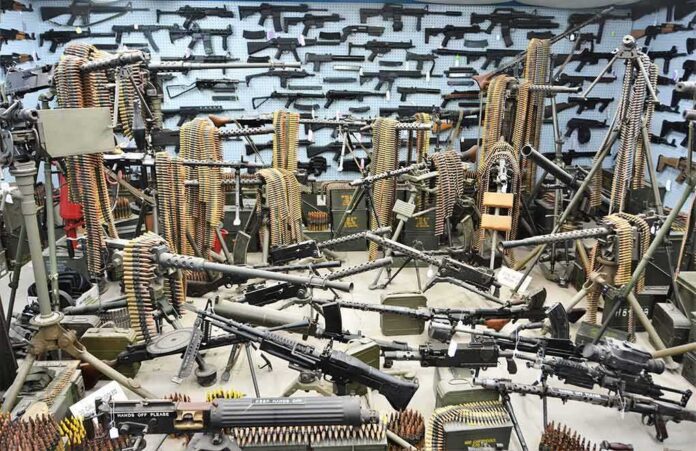
At a crowded South Carolina gun show, a customer shot a deputy working security, and the deputy fired back and killed him, authorities said.
Story Snapshot
- Officials say the customer fired first at the deputy at Jamil Temple in Columbia.
- The deputy was shot, had surgery, and was reported stable afterward.
- The deceased was identified as 34-year-old Telvin Pierre Portee.
- State investigators are reviewing the shooting; officials said there was no ongoing threat.
What Authorities Say Happened at the Gun Show
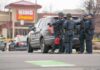
Lexington County officials said a customer opened fire on a deputy working security at the South Carolina Arms Collectors Association event held at the Jamil Temple in Columbia on November 14, 2026. The deputy returned fire and fatally shot the man. The sheriff’s office said the deputy was struck by gunfire and taken for surgery. The department later reported the deputy was in stable condition. Officials said the scene was secured and there was no ongoing public threat.
The Lexington County coroner identified the deceased as Telvin Pierre Portee, age 34, and said he died at the scene from a gunshot wound. Local outlets reported that the deputy had been hired to provide event security when the exchange began. Reports did not include details like how many shots were fired or what type of firearm Portee used. The sheriff’s department asked the South Carolina Law Enforcement Division to lead the independent investigation, which is standard practice.
Where the Investigation Stands and What It Will Look At
The South Carolina Law Enforcement Division will examine key evidence, such as scene photos, casings, witness statements, and any available video. Investigators will work to confirm who fired when, how far apart they were, and whether anyone else was put in danger. Those facts guide legal review under United States Supreme Court standards that judge force by what a reasonable officer knew at the time, not by outcomes seen later. A final use-of-force ruling had not been released in initial reports.
Courts weigh deadly force using cases like Graham v. Connor, which tells judges to look at the threat level, the severity of the suspected crime, and how fast events unfolded. Tennessee v. Garner limits deadly force if a suspect is fleeing and does not pose a serious threat. In gunfire directed at an officer at close range, the core question will be whether the deputy reasonably believed he or others faced a serious threat when he fired back. These standards shape reviews across the country.
Why This Case Hits Nerves Across the Political Spectrum
Gun shows draw strong views on safety and rights. Supporters of strong policing will see a wounded deputy who stopped a violent threat. Civil-liberties advocates will look for clear evidence and a full state review before reaching a judgment. Many Americans across party lines worry that public safety systems feel strained and that officials share too little, too late. Clear facts, timely updates, and a complete investigative record can help rebuild trust when force is used in public places.
Deputy kills man accused of shooting at him during gun show. Link in bio. pic.twitter.com/dvNUain0yx
— KWQC TV6 News (@kwqcnews) November 16, 2026
Community questions will likely focus on entry rules, weapon checks, and how a gunfire exchange began inside a venue with many weapons present. Investigators may also examine whether Portee could legally possess the firearm and how quickly officers and medics reached the scene. Officials have not released body-camera footage or detailed ballistics in early reports. As the South Carolina Law Enforcement Division completes its work, the public record should answer the most urgent questions about timing and threat.
Sources:
nypost.com, us.cnn.com, apnews.com, coasttv.com, hastingstribune.com, panhandle.newschannelnebraska.com
© primechronicle.org 2026. All rights reserved.