
South Korea moved to ready a multi-billion-dollar market backstop after a 5.2% KOSPI plunge, signaling the most forceful rescue plans since 2008.
Story Highlights
- Seoul began preparations to activate a 10.76 trillion won stabilization fund.
- Officials also eased share buyback limits and tightened short-selling surveillance.
- The KOSPI fell 5.2% in one day and about 15% this month, hitting a 10-month low.
- The fund has not been used since the 2008 global financial crisis.
Government readies largest stock support since the 2008 crisis
South Korea’s economic team said it will prepare to activate a stock market stabilization fund worth 10.76 trillion won, roughly eight billion dollars, after sharp equity losses. Officials outlined steps during an emergency meeting as volatility surged. The plan would allow pooled money from financial firms to buy domestic stocks during steep declines. Authorities presented this as a readiness move, not a done deployment. The last time such a fund was actually used was during the 2008 global financial crisis.
Alongside the fund preparations, the government said listed companies can temporarily buy back more of their own shares to support prices. The eased daily buyback limits will apply for three months. Regulators also pledged stronger checks on illegal short selling to deter abusive trades. These steps aim to slow forced selling and calm nerves. Officials framed the measures as a package that can be scaled if conditions worsen, keeping options open while signaling resolve.
Market stress: a steep monthly slide triggers policy action
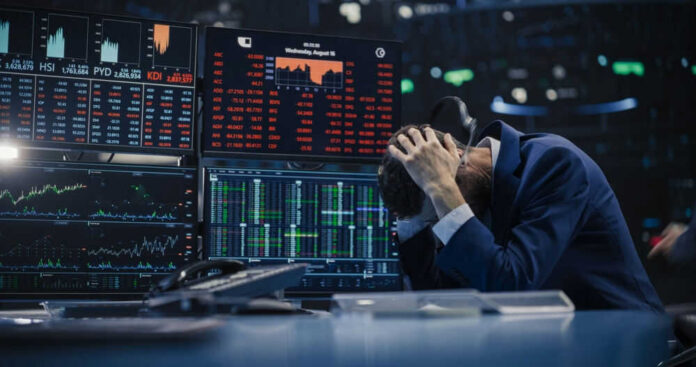
The measures followed a brutal stretch for stocks. The KOSPI fell 5.2 percent in a single session, reaching a 10-month low. Reports described about a 15 percent drop during the month, tied in part to selling in technology names. Rapid swings can strain brokers and everyday savers alike. When prices gap down, investors face margin calls and rising fear. That is when policymakers often try to slow the spiral. Seoul’s move fits that pattern of stepping in during disorderly moves.
Officials emphasized that the stabilization fund is designed for periods of sharp, destabilizing declines. The pooled structure brings in banks, brokerages, and market institutions to buy stocks when normal buyers step back. This approach aims to add a floor of demand so that forced selling does not feed on itself. But readiness is different from execution. As of the latest reports, authorities had started preparations but had not confirmed actual stock purchases through the fund.
How this tool works—and why it stirs debate
South Korea has created or revived stabilization funds several times since 1990, but it has used them to buy stocks only in 1990, 2003, and 2008. That track record suggests governments often prefer signaling over spending. A credible backstop can calm markets at lower cost. Still, some investors worry about market interference or moral hazard. They argue that buying stocks to stop declines may shift risk from private investors to institutions tied to the fund’s pool.
📊 Today's AI & U.S. Market Updates:
Don't panic. This may just be a technical pullback. Futures are already rebounding, with $SPY up around2.2%and $QQQ up around 3%.
South Korea prepares a market rescue. The government plans to deploy a 10.76 trillion won stabilization fund to…
— Ethan Brooks (@9YY800) November 23, 2026
For everyday savers, the stakes are clear. Sharp drops can erase retirement gains and cut small-business funding as credit tightens. For workers, falling share prices can mean hiring freezes and delayed plans. A steady market helps families plan, but people across the spectrum also fear rule changes that favor big players. This moment highlights a larger concern many Americans share at home: when crises hit, leaders often move fast for markets, but help for households can feel slow and uneven.
Sources:
zerohedge.com, kedglobal.com, fourweekmba.com, tyriantrade.com
© primechronicle.org 2026. All rights reserved.