
President Trump approved a Pentagon-backed plan to execute Nidal Hasan by U.S. Army firing squad, marking the first military execution in more than six decades.
Story Highlights
- Pentagon said Defense Secretary Pete Hegseth recommended, and President Trump approved, Hasan’s execution by firing squad.
- Hasan was sentenced to death in 2013 for killing 13 people and wounding 32 at Fort Hood in 2009.
- ABC News reported Army policy sets scheduling between 60 and 150 days after approval, with timing to be set by the Army secretary.
- The move would bring the first U.S. military execution since 1961, underscoring its historic weight.
What The Pentagon Announced And Who Decides What Happens Next
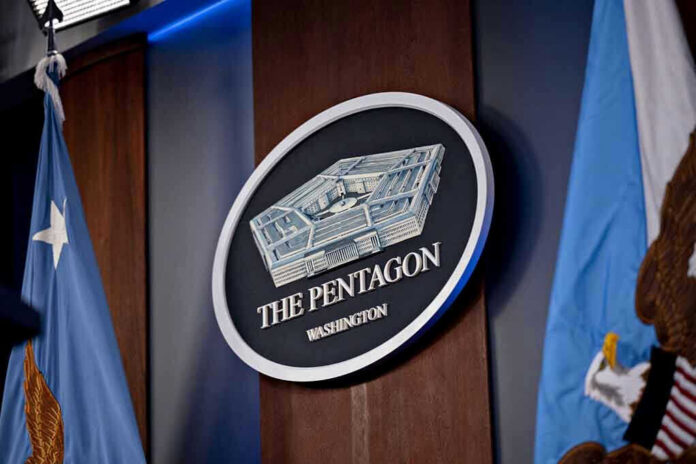
Pentagon spokesperson Sean Parnell said Defense Secretary Pete Hegseth recommended death by firing squad for Nidal Hasan and that President Trump approved it. Multiple outlets reported the same statement within hours. The Pentagon’s announcement placed the decision squarely within the chain of command that runs from the defense secretary to the president. ABC News added that the Army secretary will set the time and place of the execution under Army policy, after required waiting periods.
This decision revives a rarely used part of the military justice system. The United States military has not carried out an execution since 1961, which makes any step toward one significant. International wire coverage from Agence France-Presse also framed the action as the first such event in more than 60 years. That scale signals how unusual this is and why it will draw close legal, moral, and political attention across the country.
Who Nidal Hasan Is And Why His Case Still Drives Strong Emotions
Nidal Hasan was an Army psychiatrist who opened fire at the Soldier Readiness Processing Center at Fort Hood, Texas, on November 5, 2009. He murdered 13 people and tried to murder 32 more, many of them fellow service members. An Army general court-martial convicted him in 2013. The panel sentenced him to death after less than two hours of deliberation, reflecting the gravity of the attack and the weight of the evidence presented to the military jury.
The case has moved through years of review in the military courts. Coverage notes that the United States Court of Appeals for the Armed Forces upheld Hasan’s death sentence in 2023, keeping the capital judgment intact. That appellate step matters because the president’s role sits on top of a long legal process. The journey from sentencing to potential execution often takes many years in military cases, with few ever reaching completion.
Why This Moment Matters Beyond One Case
This action links military law, presidential power, and public trust in government. The Army’s own legal writing explains that the president reviews an adjudged death sentence in the military system. The Pentagon’s announcement shows how that authority works in practice. Supporters will see a clear message on justice for victims and troops. Critics will focus on capital punishment and process. Both sides will watch how the Army handles timing, location, and procedures.
Donald Trump has approved the execution of former U.S. Army Major Nidal Malik Hasan, who killed 13 people in the 2009 Fort Hood shooting. The sentence is to be carried out by firing squad.https://t.co/EzemNzGkAB
— Stories Framing the Globe (@SFGMediaHQ) October 6, 2026
Many Americans on the right and left worry that leaders dodge hard choices. This decision confronts one of the hardest: whether and how the military carries out a death sentence. Families of the fallen have waited nearly 17 years since the attack. ABC News reported that policy requires at least 60 days and no more than 150 days after approval to schedule. The Army secretary will now own those next steps and the duty to communicate them clearly.
Sources:
washingtonexaminer.com, nypost.com, nampa.org, thegatewaypundit.com
© primechronicle.org 2026. All rights reserved.