
Media witnesses say Tennessee twice pushed lethal-injection drugs into Christa Pike, then watched her keep breathing as the state failed to complete the execution.
Story Snapshot
- Witnesses reported Pike snoring and breathing after two doses of pentobarbital were administered.
- Associated Press and others said officials could not carry out the execution as planned.
- Pike’s lawyers filed an emergency motion saying she remained conscious and in pain.
- The Tennessee Supreme Court treated the motion as moot because no death was pronounced.
What Witnesses Reported Inside the Death Chamber
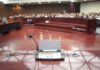
Reporters inside the viewing room said they heard Pike snoring and breathing well after the drugs were pushed. The Guardian said the sounds continued about forty minutes after two doses of pentobarbital, while Axios and network outlets also described steady snoring and breathing rhythms. The Associated Press reported witnesses saw officials unable to complete the execution. The curtain dropped and reopened more than once, and observers said Pike still appeared to breathe when the view returned.
Pike’s attorneys filed an emergency motion during the attempt. They wrote that Pike had a heartbeat, had not lost consciousness, and was suffering. They argued the process was causing needless pain, and asked the courts to stop it. A local outlet quoted a witness who recalled Pike saying her arm vein felt like it might burst, while another said she sounded like she was almost choking. USA Today reported Pike was then taken to a hospital after officials halted the procedure.
How Courts and Officials Responded in Real Time
The United States Supreme Court had cleared the state to proceed earlier that day, lifting a lower court stay on the execution schedule. As events unfolded, Pike’s legal team pressed the Tennessee Supreme Court to intervene. The court later said the emergency motion was moot because the state advised that Pike had not been pronounced dead, leaving no completed execution to halt at that moment. Those filings and federal docket materials now form part of the official paper trail.
Media organizations noted that Tennessee corrections officials did not provide a full, immediate account of what went wrong as the chamber sequence broke from the usual script. Outlets described the curtains closing and reopening while witnesses could still hear breathing. That unusual pattern raised questions about whether the issue involved drug delivery, intravenous access, or protocol steps, though available reporting does not pinpoint a specific cause.
Why This Fits a Larger Pattern in Tennessee and Beyond
Published reporting places this failed attempt within a wider pattern of lethal-injection controversy. An Associated Press review found Tennessee had not followed all parts of its injection rules after 2018, prompting an external review and ongoing scrutiny of procedures. Nationally, legal briefs and medical analyses have flagged recurring problems in design and implementation of lethal-injection protocols, adding to disputes over what witnesses can see versus what monitors record inside the chamber.
Statement from TDOC on tonight’s attempted execution of Christa Pike: pic.twitter.com/sTFtWRJj72
— Tori Gessner (@ToriGessnerTV) October 1, 2026
For many Americans, the core concern crosses party lines. People on the right and left see a government that cannot carry out its own most serious act cleanly, transparently, and lawfully. When an execution is launched, paused, and then described by witnesses as featuring snoring and visible breathing, confidence in the system takes a hit. This is not about softening on crime. It is about basic competence, clear records, and respect for the law in the gravest moments.
Sources:
mediaite.com, theguardian.com, wsmv.com, axios.com, scotusblog.com, supremecourt.gov, fox5atlanta.com, tennessean.com, opn.ca6.uscourts.gov, newsbreak.com
© primechronicle.org 2026. All rights reserved.