
As evidence mounts that Trump’s deadly boat-strike campaign barely dented the U.S. cocaine market while killing more than 200 people and bypassing Congress, Americans on both the right and left see another sign that Washington’s war on drugs is costing lives and money without fixing the problem.
Story Snapshot
- Trump claims a 97% drop in seaborne drug shipments, but experts say cocaine remains easy to get in the U.S.
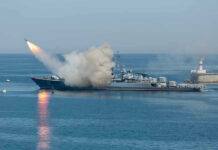
- Dozens of U.S. strikes have destroyed small boats and killed more than 200 people, often without public evidence of drugs on board.
- Top budget and military officials admit there is no proof the campaign reduced drug use or overdose deaths.
- Legal scholars and lawmakers warn the secret legal theory and lack of Congress’s approval weaken basic checks on presidential war powers.
What Trump Says the Boat Strikes Achieved
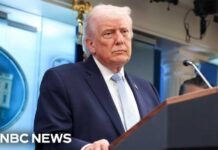
President Donald Trump has sold the boat-strike campaign as a near total victory in the drug war at sea. In recent speeches, he claimed a drop of more than 97 percent in narcotics shipments by boat, pointing to what he calls “pinpoint” attacks on cartel “narco-terrorists” in the Caribbean and eastern Pacific. His team says more than forty strikes on suspected smuggling vessels show he is taking the crisis of overdose deaths more seriously than past leaders did.
The White House links the strikes to a broader “America First” security push, arguing that cartels use drug money to fund murders, kidnappings, and corruption across the region. To defend the legality, Justice Department lawyers wrote a still-secret opinion that treats these boats as part of an armed conflict, allowing lethal force even far from any traditional battlefield. That logic lets the president use high-end jets and missiles without asking Congress for a new war authorization.
What the Numbers Show on Cocaine and Overdoses
Independent data on cocaine inside the United States tell a very different story from Trump’s victory claims. Public health experts, addiction doctors, and Drug Enforcement Administration field agents report that cocaine remains as easy to buy as before the strikes, with street prices at or near record lows and purity rising in many cities. Those signs usually mean supply is strong, not shrinking. Overdose deaths tied to cocaine and other drugs have not shown the dramatic drop people would expect from a “97 percent” cut in supply.
Government enforcement data also undercut the idea of a near shutdown of trafficking. Customs officers actually seized more cocaine in the months after the strikes began than in the months before, suggesting cartels quickly shifted routes and methods instead of shutting down. At a House Budget Committee hearing, the head of the Congressional Budget Office told lawmakers there was no evidence that heavy-handed interdiction strategies like these boat strikes change drug use, prices, or availability in the United States. That blunt answer matches what many citizens already suspect from decades of the drug war: the cartels adapt, while taxpayers foot the bill.
Growing Worries Over Secrecy, Legality, and Civilian Deaths
As the campaign has stretched into its tenth month, the death toll and legal questions have both grown. Reporting by major outlets counts more than sixty strikes and over two hundred deaths, many in attacks far from any U.S. coast. In several cases, search crews and reporters found no public proof that the destroyed boats carried drugs or weapons at all, deepening fears that some of the dead were poor fishermen caught in the middle. Families from Trinidad and other countries have sued in U.S. courts, calling certain attacks “war crimes” and arguing there was no lawful reason to fire.
Inside Washington, concern is no longer just a partisan talking point. Senior military leaders have admitted in public hearings that they cannot show a clear link between the strikes and fewer drugs or deaths at home. General Francis Donovan, who leads U.S. Southern Command, told lawmakers this year that “boat strikes aren’t the answer” to America’s narcotics problem, even if they are one tool among many. Yet the operations continue under a classified legal memo that Congress has never seen in full, widening the gap between open democratic debate and secret use of force.
Congress, War Powers, and a Familiar Pattern of Overreach
For many Americans, the most troubling part of the story is not a single bad decision but a pattern they recognize from past wars. A group of House Democrats, led by Representatives Bobby Scott and Lucy McBath, has argued that the strikes violate the War Powers Resolution, which requires presidents to end hostilities within sixty days if Congress does not approve them. Their letter says the administration has failed to show either solid evidence against the people it killed or a clear legal basis for turning the high seas into a secret battlefield.
Legal scholars across the spectrum warn that if presidents can quietly redefine drug boats as wartime targets, it deepens a long trend of the executive branch stretching its power while Congress looks the other way. Brown University’s Costs of War project estimates the campaign has already cost about $4.7 billion, money that could have gone to treatment, jobs, or securing the border in more transparent ways. For citizens on both the right and the left who feel ignored by a distant, self-protecting political class, the boat-strike saga feels less like a sharp break from the past and more like one more example of a federal government quick to use force, slow to show results, and reluctant to answer to the people it claims to protect.
Sources:
realcleardefense.com, theatlantic.com, pbs.org, bobbyscott.house.gov, youtube.com
© primechronicle.org 2026. All rights reserved.