
Fresh U.S. strikes on Iran’s Bandar Abbas port have reignited the war and raised new doubts about whose lives, and whose truth, really matter in this conflict.
Story Snapshot
- U.S. Central Command says it hit more than 80 military targets near Bandar Abbas after ship attacks.
- Iranian state media reports explosions, injuries, and claims several Islamic Revolutionary Guard Corps members were killed.
- Western outlets and U.S. officials confirm the strikes but say there is still no verified death toll.
- The clash over facts feeds a deeper public belief that powerful governments hide the real human cost of war.
What happened in Bandar Abbas and the Strait of Hormuz
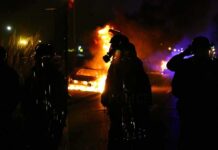
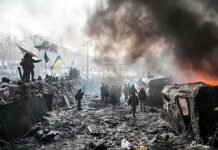
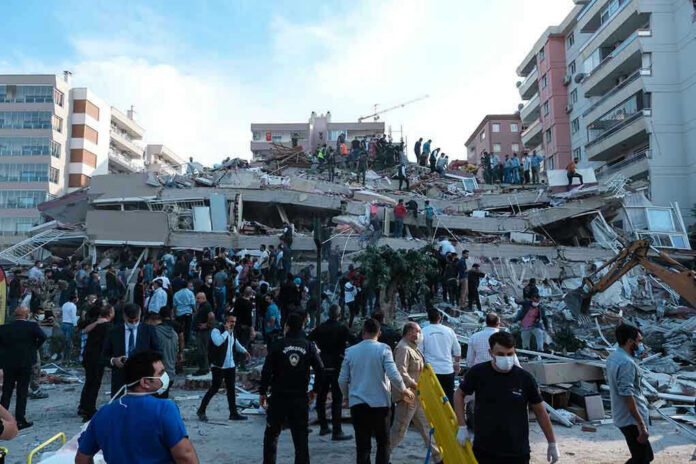
U.S. forces launched new strikes on southern Iran, focusing on the strategic port city of Bandar Abbas near the Strait of Hormuz. U.S. Central Command described the operation as self-defense after attacks on commercial ships, saying it targeted missile sites, drone control facilities, air defenses, and dozens of Islamic Revolutionary Guard Corps boats used to lay mines. Footage from multiple outlets shows bright flashes and fires in and around the city, confirming that explosions rocked this key naval hub and trade gateway.
Iranian state media and regional reporters described several explosions in Bandar Abbas, Sirik, and Qeshm Island, with people injured by shrapnel and damage to military infrastructure. Iran’s Ministry of Foreign Affairs called the strikes a clear breach of a June memorandum of understanding and the April ceasefire, accusing Washington of “aggressive actions” in Hormozgan province. Iranian military statements promised a “crushing response,” and the Islamic Revolutionary Guard Corps said it fired on a U.S. airbase in retaliation.
The contested claim: were eight Iranian military personnel killed?
Iranian outlets and at least one international broadcaster have carried the claim that eight members of the Islamic Revolutionary Guard Corps were killed in the latest strikes on Bandar Abbas and Bushehr. However, neither Iran’s Defense Ministry nor the Islamic Revolutionary Guard Corps has released a formal casualty list that confirms this number, and no independent group has verified it on the ground. Major Western reports from the British Broadcasting Corporation and Al Jazeera mention injuries from shrapnel and heavy damage but state there is “no confirmed death toll” so far.
U.S. Central Command’s public statements focus on infrastructure, systems, and boats, not people. Officials say the targets were air defense systems, command-and-control networks, missile launch sites, and more than 60 Islamic Revolutionary Guard Corps small boats, describing the strikes as limited and precision-based. This narrow framing directly challenges the idea that the United States aimed to kill personnel, and it leaves a gap between Iranian casualty claims and what the American military is willing to admit. Right now, the specific “eight killed” figure rests only on Iranian media reports without primary documents or named witnesses.
Why this dispute over facts fuels public distrust
This fight over the death toll fits a familiar pattern in United States–Iran clashes, where each side tells a story that serves its goals and ordinary people are left guessing. Iranian state outlets often report higher casualty numbers quickly, framing themselves as victims of foreign aggression, while Western media and U.S. commands stress that strikes hit hardware, not people. Later, independent counts sometimes revise both sides’ numbers, but by then public anger and fear have already hardened. People who already doubt “deep state” elites see this information war as proof that those in power hide the real human cost.
Older conservatives who backed “America First” policies look at these strikes and wonder if the foreign policy establishment is dragging the country into yet another endless conflict, far from home, with unclear benefits and rising costs. Older liberals, angry about inequality and war spending, see civilian shipping disrupted and thousands of Iranians already killed in the war and question why diplomacy keeps taking a back seat to missiles and drones. Both sides increasingly share one core belief: regular citizens on all sides bleed and pay, while the people running governments and militaries control the narrative and rarely face consequences.
The bigger stakes: energy, escalation, and the human toll
Bandar Abbas is not just another city; it is a crucial port for Iran’s navy and oil exports, sitting next to the narrow Strait of Hormuz where a large share of the world’s traded oil passes. Strikes there threaten energy infrastructure and shipping security, and they have already helped push global oil prices higher as markets fear wider war. Iran’s military has warned that attacks on its energy facilities mark a “new stage in the war,” hinting that it may respond by hitting regional energy sites in return. That raises the risk of broader economic pain for working people far outside the Middle East.
🛰 CrawlHub · Frontline · 12h Brief
Jul 08The US launched renewed strikes against Iran tonight, targeting military installations and critical infrastructure in southern Iran, including Bandar Abbas, Sirik, Chabahar, and Bushehr. This escalation follows Iran's reported attacks… pic.twitter.com/0MSikvmTJu
— CrawlHub (@TheCrawlHub) July 8, 2026
Time magazine and other trackers estimate that more than 3,600 Iranians have been killed since the war began in February, including at least 2,100 civilians. U.S. officials say American deaths are far lower, but both sides’ numbers still represent families torn apart and futures erased. Each new strike near Bandar Abbas adds to that toll, even when exact casualty figures are fuzzy. For citizens who already feel shut out of power at home, this war looks like another example of distant leaders choosing force, trading accusations, and then arguing over numbers while lives on the ground become statistics.
Sources:
insiderpaper.com, aljazeera.com, militaryspend.org, facebook.com, youtube.com, bbc.com, instagram.com, nbcnews.com, en.wikipedia.org, centcom.mil
© primechronicle.org 2026. All rights reserved.