

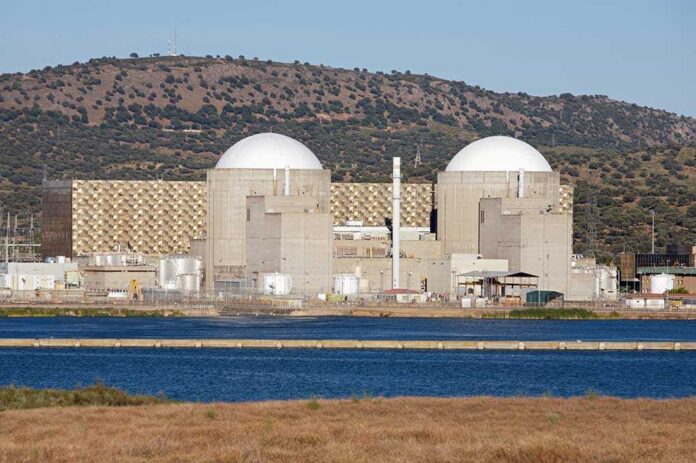
China’s breakneck reactor buildout now accounts for about half of the world’s new nuclear projects, signaling a power shift that could reshape energy and geopolitics by 2035.
Story Highlights
- China leads the world in reactors under construction and new project approvals.
- Government targets point to large nuclear capacity gains by 2030–2035.
- Analysts say China builds reactors faster and cheaper than Western peers.
- Forecasts stress capacity leadership; generation “dominance” depends on delivery.
China’s Reactor Pipeline Is World’s Largest
World Nuclear Association data show China has the largest share of reactors under construction worldwide, with tens of gigawatts moving through the pipeline and more units added each year. Reports across 2025 and 2026 describe China as hosting roughly half of global construction, far ahead of any other nation. These projects span coastal hubs and multi-unit sites, which support faster schedules. The scale alone signals that China will likely lead installed nuclear capacity early next decade if projects connect on time.
Official figures and industry databases also point to dozens of operable reactors and several dozen more being built. While counts vary by date and source, the direction is clear: China is expanding at a steady clip, year after year. New construction starts in 2025 were concentrated in China, reflecting a policy and financing system that can approve batches of units. This consistent start pace matters because it turns five to six years later into steady grid connections if execution holds.
Policy Commitments Through 2035
Beijing has set targets for strong nuclear growth through 2030 and beyond, framing nuclear as a stable, low-carbon backbone for the grid. Government messaging projects nuclear’s share of China’s electricity mix rising by 2035, supported by approvals for multiple sites and reactor types. World Nuclear Association reporting cites a 2030 capacity objective in the triple digits of gigawatts, with sector plans that align with ongoing construction. These targets create a pipeline that can sustain continuous build activity into the mid-2030s.
Batch approvals keep the build train moving. In recent cycles, officials cleared groups of new units at Taipingling, Ningde, Shidaowan, and other locations, reinforcing serial production and shared site costs. Industry coverage describes repeatable designs, local supply chains, and project teams that move from site to site. This model reduces schedule risk and supports learning curves. If these approvals continue, the country’s installed capacity will keep climbing toward long-stated benchmarks.
Build Speed, Costs, and What “Dominance” Means
Analysts describe shorter build times and lower costs in China than in North America and Europe, crediting standardized designs and domestic sourcing for most components. Faster builds improve cash flow and reduce interest costs. Multi-unit sites also help crews repeat tasks. These factors together explain how China is adding capacity at a rate that peers struggle to match. The gap shapes global market power, fuel demand, and technology standards through 2035 if performance persists.
International outlooks agree that China is on track to overtake the United States and the European Union in installed nuclear capacity around 2030, based on today’s projects. But leadership can mean different things. Installed capacity is not the same as electricity produced. Generation “dominance” depends on how many units start on time, how they run, and how often the grid uses them. That is why credible forecasts separate clear near-term capacity leadership from longer-range output claims.
Why This Matters For Americans
China’s surge in firm, low-carbon power comes as the United States wrestles with aging plants, high costs, and long delays. Faster, cheaper builds abroad highlight red tape, cost overruns, and policy drift at home. Voters on the right see energy security and price stability at risk. Voters on the left see a missed climate and jobs strategy. Both see a system that talks big but delivers slow. As China locks in more nuclear capacity, the stakes for U.S. industry and grids get higher.
What To Watch Next
Watch annual construction starts, grid connections, and site-level progress reports. Track how many units China brings online each year from 2027 to 2032. Follow updates to 2030 and 2035 capacity targets and whether approvals arrive in new batches. Check capacity factors after startup to see if plants run as planned. These concrete markers will show if China converts today’s pipeline into the generation edge many expect by the mid-2030s.
Sources:
zerohedge.com, en.cnnc.com.cn, world-nuclear-news.org, powermag.com, worldnuclearreport.org, world-nuclear.org
© primechronicle.org 2026. All rights reserved.