
Three House Republican chairmen asked Homeland Security to strip reduced-inspection privileges from China’s state-owned COSCO ships after reports they carry concealed gear to intercept U.S. military communications near American shores.
Story Highlights
- House chairs cite reports that COSCO vessels used hidden equipment to collect military signals near U.S. coasts.
- The lawmakers urged the Department of Homeland Security to remove COSCO from the Coast Guard’s Qualship 21 program.
- COSCO denied the spying claim and said all onboard systems are for safety and routine operations.
- Qualship 21 reduces routine inspections for vessels with strong safety records; it is not a security clearance.
Lawmakers Press DHS Over Alleged Shipboard Surveillance
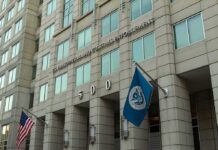
On October 14, 2026, Representatives John Moolenaar, Rick Crawford, and Carlos Gimenez sent a formal letter to Homeland Security Secretary Markwayne Mullin. The chairmen referenced public reporting that COSCO vessels used concealed equipment to intercept military communications and encryption developments near U.S. coastlines. They called the activity a serious counterintelligence threat and asked for immediate review of COSCO’s privileges in U.S. ports. Their request targets an area where safety policy and national security now overlap.
Reuters previously cited two senior administration officials who said COSCO, a Chinese state-owned shipping giant, used concealed gear to collect intelligence for Beijing near the coasts of target nations, including the United States. The report did not name specific ships or publish technical details. The congressional letter leaned on that reporting to press for action. The push comes as Congress and the executive branch debate how to handle dual-use risks tied to large commercial fleets.
Qualship 21 Status Becomes a Flashpoint
The lawmakers urged the Department of Homeland Security and the Coast Guard to remove COSCO ships from Qualship 21. That Coast Guard program recognizes foreign vessels with strong port-state-control safety records and gives them fewer routine inspections. Qualship 21 is designed around safety and compliance performance; it does not certify that a company poses no national-security risk. The Coast Guard explains that recognized vessels receive incentive reductions in exam frequency based on safety history.
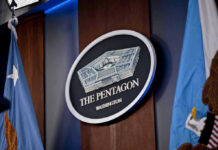
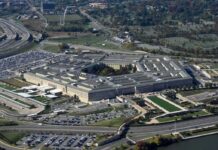
Reports have differed on the exact count of COSCO vessels enrolled this year, but both describe multiple ships receiving the benefit. The chairs argued that reduced inspections could give a strategic advantage if concealed surveillance equipment exists aboard any vessels. They asked whether COSCO’s designation on the Pentagon’s list of Chinese military-linked companies should affect eligibility for these safety-based privileges, and whether prior risk warnings were weighed during enrollment or renewal decisions.
COSCO’s Denial and the Broader Security Context
COSCO rejected the premise of the allegations and said the company does not conduct espionage. The company stated that onboard systems are for navigation safety, ship-to-shore communications, and emergency response only. COSCO called the claims totally unfounded and said its vessels follow international and local rules in all ports of call. This denial creates a clear dispute in the public record and places pressure on U.S. agencies to explain their next steps based on available evidence.
Fears of China spying on US military prompt GOP hawks to demand retaliation against the shipping giant
👉 SUBSCRIBE to Altas World News for the full story, plus our videos: https://t.co/gYYnbx1YYpGOP China hawks demand CCP-owned COSCO lose its special U.S. port privileges over… pic.twitter.com/PTz3JJ0ELZ
— Altas World News (@Altas_WorldNewS) October 15, 2026
The policy debate reflects a wider shift in how nations view large commercial platforms. China’s model links civilian industry and national defense in what analysts describe as military-civil fusion. That structure fuels scrutiny of state-owned firms whose assets can serve both trade and security ends. Yet port-state programs like Qualship 21 were built to reward safety performance, not to judge intelligence risks. This gap leaves agencies to bridge safety rules with counterintelligence concerns when foreign megaships call at U.S. ports.
What Comes Next for U.S. Port Security
The chairs asked the Department of Homeland Security and the Coast Guard for records and reviews. They want to know whether COSCO’s status should change and what warnings, if any, were considered during past decisions. If authorities confirm the alleged conduct, possible steps include tighter inspections, removal from Qualship 21, or targeted enforcement actions. If agencies do not confirm it, they may still adjust risk screening to address how covert gear could hide within normal shipboard systems without disrupting trade flows.
Sources:
redstate.com, chinaselectcommittee.house.gov, reuters.com, cnss.com.cn
© primechronicle.org 2026. All rights reserved.