
Five years after the U.S. exit, the Taliban control Afghanistan with fewer gun battles—but millions of girls are still locked out of school.
Story Snapshot
- The United Nations reports improved security and full Taliban control nationwide.
- Rights groups say Afghanistan is the only country banning girls’ education beyond sixth grade.
- Aid agencies warn of deep humanitarian needs affecting nearly half the country.
- Global sanctions and non-recognition continue as the United Nations extends monitoring.
Security Gains Under Firm Taliban Control
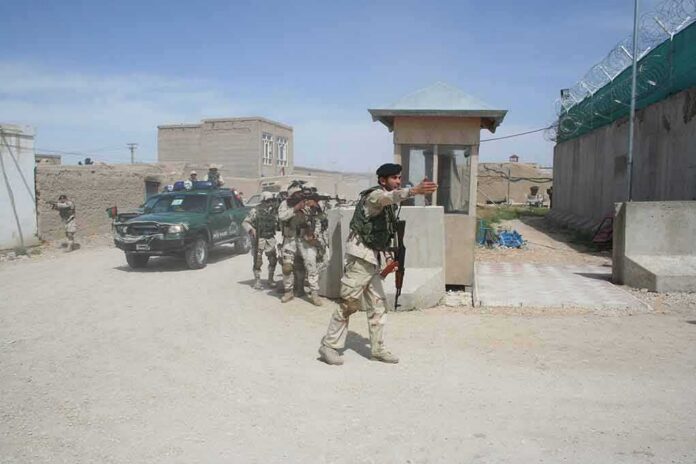
United Nations officials say Afghanistan has seen improved security since 2021, with fewer armed clashes in cities and on highways. The same system also notes the Taliban have maintained control across the country and centralize power in Kabul. Many Kabul residents report safer streets compared to years of war, while asking for jobs and schooling to return. Reduced fighting helps daily life and travel. Yet security alone does not settle questions about rights, the economy, or long-term stability.
Taliban leaders marked the five-year anniversary with military parades and victory messages in Kabul, showcasing vehicles and fighters. The display aimed to project strength and order after decades of conflict. The United Nations Security Council kept sanctions tied to Taliban figures and networks, signaling ongoing concerns about terrorism and governance. Most governments still do not formally recognize the Taliban as the country’s rulers, which limits banking links and foreign investment needed for growth.
Women’s Rights Rolled Back Nationwide
Human Rights Watch says Taliban authorities issued sweeping rules that restrict women’s movement, work, and public life, calling the pattern a crisis for basic rights. Reporters and aid groups say Afghanistan remains the only country barring girls from education past sixth grade, affecting an estimated 2.4 million students. United Nations reporting urges transparency and accountability for abuses by security and morality officers, warning secrecy erodes public trust. These policies block half the population from learning and earning, which drags down the whole economy.
Women describe daily barriers that touch school, jobs, travel, and speech, often backed by local enforcement and edicts from leaders. Rights advocates argue that rolling back education and work erases years of progress and fuels poverty. The longer these bans last, the more skills fade and household incomes fall. That damage compounds over time. Families face hard tradeoffs as boys continue in school while girls stay home. Communities lose future nurses, teachers, and entrepreneurs.
Humanitarian Strain and an Isolated Economy
Global outlets tracking aid say about 21.9 million Afghans need help this year, and more than 14 million face acute food insecurity, reflecting a fragile economy and shrinking aid funds. Jobs remain scarce, prices stay high, and remittances and informal trade cannot fill the gap. Aid groups warn that limits on women’s work in non-profits and health care make relief slower and less effective, especially for women and children. When female staff cannot reach patients, entire communities suffer.
🚨 5 years under Taliban rule… and Afghanistan is still sinking.Nearly half the country (21.9 million people) needs humanitarian aid right now.
Millions of girls locked out of school.
Women erased from public life.
Hunger, drought, and collapsing health services.
Millions of…— BGP (@AMS_AFG) August 16, 2026
United Nations assessments separate lower battlefield violence from deeper stability. A state can be quiet yet still be brittle if it lacks rights, jobs, and public trust. That is the core dilemma. Improved security helps mothers get food to market and kids to clinics. But closing schools to girls, curbing media, and keeping power opaque all weaken the floor under that security. Many Afghans say they want both safety and opportunity, not a tradeoff that sacrifices one for the other.
Sources:
zerohedge.com, ny1.com, reuters.com, news.un.org, washingtonpost.com, hrw.org, unama.unmissions.org, theguardian.com, equalitynow.org, nytimes.com, bbc.com, rescue.org
© primechronicle.org 2026. All rights reserved.