
After weeks of silence about an 84-year-old senator’s hospital stay, Kentucky’s governor publicly demanded a clear health update—or a path to step aside.
Story Snapshot
- Kentucky Gov. Andy Beshear asked Sen. Mitch McConnell to disclose his health status to voters.
- Beshear said resignation should be considered if McConnell cannot show he is fit to serve.
- McConnell said he was briefly unconscious after a fall, had mild pneumonia, and remains fit to serve.
- Kentucky law now requires a special election if a U.S. Senate seat becomes vacant.
What Beshear Asked For And Why It Matters
Gov. Andy Beshear sent a letter urging Sen. Mitch McConnell to give Kentuckians a direct health update. He said voters deserve clarity on the senator’s ability to serve after weeks without public appearances. Beshear framed the request as basic transparency for a public official. The Associated Press reported the letter and noted McConnell had been hospitalized, with aides offering limited details while saying he was improving and working with staff during the Senate recess.
Beshear later raised the stakes. He said if McConnell could not provide more detail and show he is fit to do the job, he should consider resignation. That added political pressure but did not change the core issue: how much health information a powerful officeholder owes the public. A local outlet summarized Beshear’s warning, citing his view that the senator’s prolonged absence and sparse updates left reasonable doubt about capacity to serve.
What McConnell And His Doctors Have Said
Sen. McConnell released a statement describing what happened. He said he was briefly unconscious around the time he was taken to the hospital. He said doctors ruled out a heart attack, stroke, concussion, fracture, tumor, or hemorrhage. He added he had a mild case of pneumonia and would not return to vote yet, but he remained fit to serve. That message aimed to calm speculation while stopping short of detailed medical records.
Later updates from McConnell’s camp focused on recovery and work continuity. His office and allies said he remained engaged in Senate and Kentucky issues while doing intensive physical therapy. Reporting also cited the Office of the Attending Physician, which said McConnell’s childhood polio continues to affect his mobility and that he was not yet cleared to return to Congress in person. These details support that he is improving, but still limited in movement.
The Legal And Civic Stakes For Kentucky Voters
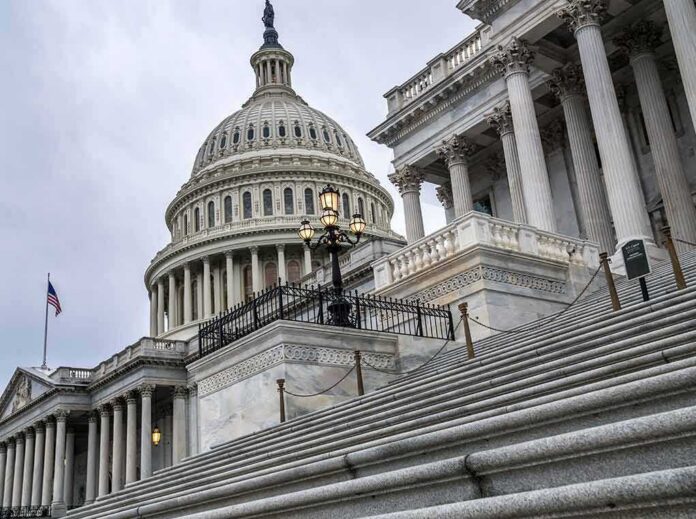
Kentucky changed its law in 2024 to remove the option for a temporary appointment to the U.S. Senate. If a vacancy occurs, the governor must call a special election. That rule means any resignation would send the choice back to voters rather than to a single officeholder. Local reporting has explained that shift and its practical effect on how a Kentucky Senate vacancy would be filled. The process raises the cost of secrecy and the value of timely clarity.
This dispute also fits a broader pattern in American politics. Voters want to know if a leader can do the job, especially at advanced age or after a medical event. Yet there is no general legal duty for sitting officials to publish medical records. Scholars have long noted the gap between public expectations and rules on disclosure. That leaves pressure campaigns and norms, not formal mandates, to sort out what the public learns and when.
Why This Resonates Beyond Partisans
Many Americans on the right and the left feel Washington’s leaders hide key facts until forced to talk. This episode touches that nerve. Beshear’s push frames health transparency as respect for voters. McConnell’s updates emphasize privacy and continuity of work. Both points matter. Trust rises when leaders share clear, verifiable facts, and it falls when updates are vague or delayed. The system gives little leverage to demand more disclosure, so public pressure often becomes the only tool.
They suck on the candy as long as possible!!
CBS News now reports something unusually tense in Kentucky politics:
Governor Andy Beshear says he has not heard a single word from Senator Mitch McConnell, despite formal requests for updates on McConnell’s health after his… pic.twitter.com/JWJfKyP3r5— Jarl Finland (@jalle51) August 16, 2026
For Kentuckians, the next steps are simple but important. McConnell can release more information or continue limited updates while recovering. Beshear can keep pressing, though he cannot force action. If a vacancy emerges, voters, not party insiders, would decide the seat through a special election under state law. Until then, the core test is whether official statements answer the public’s basic question: can their senator fully do the job today, not just someday soon?
Sources:
thegatewaypundit.com, apnews.com, wlwt.com, ms.now, thenationaldesk.com, lex18.com
© primechronicle.org 2026. All rights reserved.