
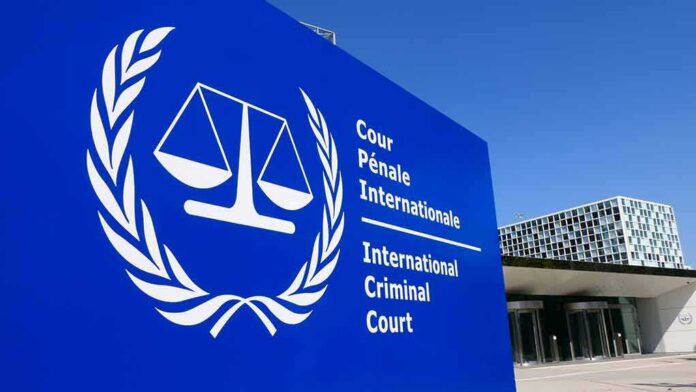
As Benjamin Netanyahu heads to New York under an international arrest warrant, a clash between global justice, local power, and political theater is exposing how little control ordinary Americans really have over what their leaders do in their name.
Story Snapshot
- New York City Mayor Zohran Mamdani says he agrees Netanyahu should be arrested and tried under an International Criminal Court warrant, but admits his city has no legal power to do it.
- Netanyahu has vowed to attend the United Nations General Assembly in New York anyway, blasting Mamdani for “tormenting his own citizens” and stoking hate, turning a legal fight into a political showdown.
- The United States is not a member of the International Criminal Court, so only the federal government could realistically cooperate with the warrant — and so far Washington has signaled it will not.
- The dispute highlights a deeper problem that frustrates both conservatives and liberals: international law and “deep state” politics collide, while everyday Americans watch powerful players bend the rules without real accountability.
Mamdani’s Stand: ICC Warrant and Moral Claims
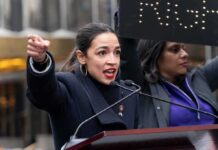
New York City Mayor Zohran Mamdani has said plainly that he agrees with the International Criminal Court that Israeli Prime Minister Benjamin Netanyahu should be “arrested and tried for his crimes.” In public videos and interviews, he calls Netanyahu a “war criminal” and “architect of genocide against Palestinians in Gaza,” and insists that the court’s November 2024 warrant for alleged crimes against humanity and use of starvation as a method of war must be taken seriously. Mamdani also says this standard should apply to anyone charged by the court, not just Netanyahu.
Mamdani frames New York as a “city of international law” that should not stay silent when global courts accuse leaders of war crimes. In campaign season, he pledged to instruct the New York Police Department to arrest Netanyahu if he came to the city, using the warrant as his legal base. That promise resonated with activists who feel powerful foreign leaders escape justice while regular people face harsh policing at home. It also inflamed critics who saw a local politician trying to play world sheriff while crime, protests, and immigration problems fester in his own streets.
From Pledge to Legal Limits: NYC’s Actual Power
After winning office, Mamdani’s team quietly reviewed whether the city could legally carry out an International Criminal Court arrest. He now admits their lawyers “reviewed every avenue available under applicable law” and concluded New York lacks “independent legal authority to enforce this warrant.” In other words, the mayor cannot simply order local police to detain a foreign leader who is in town for United Nations business. The United States is not an International Criminal Court member, and federal law blocks city cooperation with the court’s warrants.
Mamdani has shifted from promising a direct arrest to urging Washington to act. He now says the federal government, not the city, must join the International Criminal Court and execute the warrant if Netanyahu enters U.S. territory. Legal commentators warn that if Mamdani tried to go ahead anyway, he could be the one facing charges, because diplomatic immunity, federal preemption, and United Nations rules protect visiting leaders. This turn from bold pledge to narrow legal position feeds the sense many Americans share: politicians talk tough on foreign policy, but when lawyers step in, the grand promises melt away and no one powerful gets held to account.
Netanyahu Pushes Back and Washington Stays Distant
Netanyahu has answered Mamdani’s threats by saying he will attend the United Nations General Assembly in New York despite the warrant and local outrage. In media clips, he accuses Mamdani of “tormenting his own citizens,” spreading division, and siding with enemies of Israel. Supporters frame the mayor’s stance as antisemitic or anti-Israel, using the fight to rally their base. This mirrors a broader pattern many Americans recognize: serious questions about war, law, and human rights get turned into culture-war weapons instead of honest debate.
President Trump and Republican leaders in Congress have made clear that Netanyahu will not be arrested on U.S. soil. They point out that the United States never joined the International Criminal Court and argue that foreign bodies must not control American policy. For many conservatives, Mamdani’s push looks like another case of “globalism” and activist mayors trying to override national sovereignty. For many liberals frustrated with war and double standards, the federal refusal looks like proof that powerful allies enjoy special protection while civilians abroad suffer.
What This Fight Reveals About Power and the “Deep State”
The Mamdani–Netanyahu clash exposes a deeper problem that bothers people across the political map. A global court issues a warrant. A mayor promises action. Lawyers say he cannot act. Washington shrugs. In the end, an accused leader flies in and out of New York while millions of citizens watch, angry but powerless. International law looks strong on paper, yet the system bends around whoever has enough status, security detail, and diplomatic cover.
Israeli Prime Minister Netanyahu heads to the US
Netanyahu spars with New York Mayor
Zohran Mamdani pushes for Netanyahu's arrest@eriknjoka gets you more pic.twitter.com/mvF6CLxrgU
— WION (@WIONews) July 27, 2026
This is why many Americans, left and right, talk about “elites” and a “deep state.” They see local leaders making symbolic stands, federal officials guarding their own interests, and complex rules that always seem to shield the powerful first. Whether you worry more about illegal immigration and crime or about bombing campaigns and human rights, the pattern feels the same: ordinary people must follow the law, while top players argue over which laws even apply to them. The Netanyahu warrant fight is not just about one foreign leader; it is another reminder that our own system struggles to match its values with real accountability for those at the top.
Sources:
foxnews.com, timesofindia.indiatimes.com, facebook.com, washingtonpost.com, businesstoday.in, youtube.com, middleeastmonitor.com, theguardian.com
© primechronicle.org 2026. All rights reserved.