
The Trump administration is now pulling back from plans to livestream the firing-squad execution of the Fort Hood shooter, just days after the Pentagon called the broadcast a done deal.
Story Snapshot
- Pentagon officials confirmed Nidal Hasan’s execution would be livestreamed, then sources say the administration is now leaning against it.
- Defense Secretary Pete Hegseth said the public needed to see “serious consequences,” and President Trump approved the firing-squad method.
- Republican lawmakers, including House Speaker Mike Johnson and Senator Lisa Murkowski, broke publicly with the plan.
- Homeland Security Secretary Markwayne Mullin defended the livestream even as critics warned it could fuel terrorist recruiting.
Pentagon Confirms Plan, Then Officials Hedge
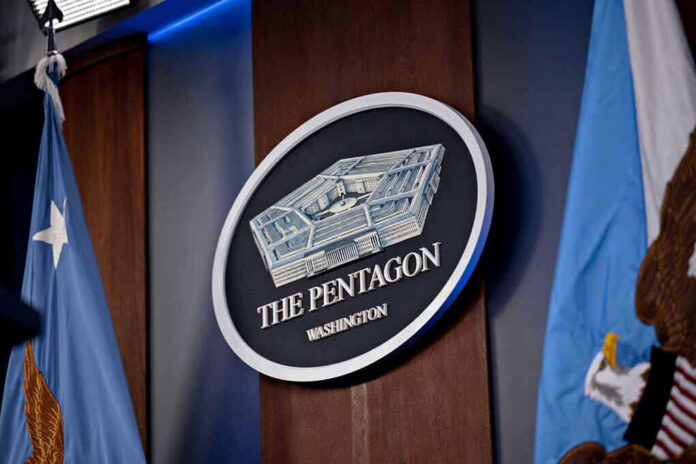
The Pentagon told reporters the execution of Nidal Hasan, the former Army officer convicted in the 2009 Fort Hood mass shooting, “will be livestreamed,” though it did not say where or how people would watch. Weeks later, CBS News reported that Trump administration officials were leaning against the livestream and that President Trump had not made a final call, despite the Pentagon’s earlier statement that the plan was settled.
Hegseth’s Rationale and Trump’s Approval
Defense Secretary Pete Hegseth explained the thinking behind the plan during a Real America’s Voice interview. He said the execution would be public “because people need to understand that there’s serious consequences for these types of things”. Chief Pentagon spokesperson Sean Parnell said Trump approved Hegseth’s recommendation to carry out the execution by Army firing squad, a method the military has not used since the 1940s.
Hegseth added a symbolic detail to the plan. He said the execution would happen at 1 p.m., “which is when he did it,” referring to the timing of the 2009 shooting that killed 13 people and wounded more than 30 others. That detail was meant to tie the punishment directly to the crime, reinforcing the administration’s argument that the broadcast served a public purpose rather than mere spectacle.
Republicans Break With the White House
Opposition to the livestream came from inside the president’s own party. House Speaker Mike Johnson warned that footage of the execution “would be a recruiting tool for future terrorists” and said lawmakers needed to think through the policy implications. Senator Lisa Murkowski said livestreaming “would give this individual, who deserves no further notoriety, the martyrdom he seeks,” adding she would expect that kind of broadcast “from terrorists and dictators, but not here in America”.
Other Republicans echoed those concerns using similarly blunt language. Senator Thom Tillis called the plan “beyond disgusting” and compared it to practices in Iran and Afghanistan. Representative Austin Scott said he supported Hasan’s death sentence but opposed the livestream, saying “live-streaming executions is what jihadists do.” Those objections suggest the fight over this broadcast cuts across the usual party lines, with national security and dignity concerns outweighing partisan loyalty for some lawmakers.
Administration Defends the Plan Despite Security Warnings
Homeland Security Secretary Markwayne Mullin pushed back on claims that the broadcast could backfire. He rejected concerns that livestreaming Hasan’s death could fuel radicalization or turn him into a martyr for extremist causes. His defense came after CNN reported that the Army itself was caught off guard by Hegseth’s order to make the execution public, suggesting the plan moved faster than the military’s own planning process.
President Donald Trump and his advisers are debating whether to call off plans to livestream the firing squad execution of the Fort Hood shooter, with Trump having remarked privately that he did not initially know that Nidal Hasan was paralyzed from the waist down, two sources fa pic.twitter.com/njRsYgI3eL
— KRDO13 (@KRDO_13) October 14, 2026
People who have spoken with President Trump say he has privately shared doubts about the livestream, even as his administration publicly defended it. That gap between private hesitation and public confirmation has left the plan’s final status unclear. Decades of research on public executions has not settled whether broadcasting them deters crime, leaving the administration’s stated justification resting more on principle than on proven results.
Sources:
cbsnews.com, nbcnews.com, dw.com, cnn.com, bbc.com, bbc.co.uk, cbc.ca, politico.com
© primechronicle.org 2026. All rights reserved.