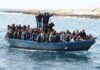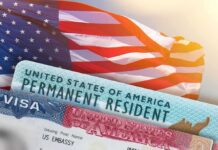


An Immigration and Customs Enforcement charter carrying about 160 people landed in Cap-Haïtien, marking the first deportation flight to Haiti since temporary protected status ended for many Haitians, according to officials and multiple outlets.
Story Snapshot
- ICE flew more than 160 people to Cap-Haïtien on a charter flight.
- Officials and outlets called it the first Haiti deportation flight since TPS ended.
- The Department of Homeland Security said August flights included criminal deportees.
- Reports differ slightly on the exact passenger count, but not on the flight itself.
What Happened: First Post-TPS Deportation Flight to Haiti
ABC News reported that an Immigration and Customs Enforcement flight with 161 passengers left Alexandria, Louisiana, and landed at Cap-Haïtien Airport on Thursday, citing a Department of Homeland Security official and Haiti’s civil aviation office. The Guardian also described the aircraft as an ICE charter with more than 160 people aboard. Outlets framed the flight as the first removal to Haiti since the United States ended temporary protected status for many Haitians living in the country.
The Department of Homeland Security said deportation flights to Haiti resumed in July 2026 and highlighted a separate August 20 flight that removed 162 people described as criminals, including people convicted of serious offenses. Officials used stark language to defend the actions as focused on public safety. Media reports on the Cap-Haïtien landing and the department’s releases point to a stepped-up schedule after courts allowed the administration’s plans to move forward.
Numbers and Details: What Is Known and What Is Not
Reports place the passenger total for the Cap-Haïtien charter in a narrow range: “more than 160,” 161, or 162. The figure varies by outlet but confirms a large single-plane removal. ABC News noted it was unclear whether people who once had temporary protected status were on this particular flight. The government did not publish a manifest, so public reporting leans on agency statements and local aviation officials to describe who was on board.
The Department of Homeland Security statements stress the presence of criminal deportees on recent Haiti flights, naming categories like pedophiles, carjackers, and drug traffickers. That framing aims to show a focus on public safety and border enforcement. Press coverage, meanwhile, tracks the flight dates, airport locations, and the link to changes in temporary protected status. Together, they build a clear picture of renewed removals to Haiti after the policy shift.
Why This Matters: Policy Shift Meets Real-World Strain
This flight sits inside a larger cycle of stops and starts on Haiti deportations over several years. The pattern often turns on court rulings, executive policy, and how the Department of Homeland Security presents enforcement actions to the public. Supporters of firm border control will see a return to the rule of law. Critics will point to Haiti’s deep crisis and argue that mass removals risk harm. Both reactions flow from the same basic event: flights restarting after temporary status ended.
More than 160 people deported to Haiti after TPS ends
("TEMPORARY" MEANS "MIGRANT" LEAVES!!)https://t.co/oaZECPtJ5Y— OnlineFreeUSA (@OnlineFreeUSA) August 22, 2026
For many readers, the bottom line is trust. People across the spectrum worry that leaders use the system for politics, not fairness. Clear facts help. Here, the core facts align across outlets and officials: an ICE charter with about 160 people landed in Cap-Haïtien, and the government says recent flights targeted criminals. The exact headcount may differ by one or two, but the enforcement move and its timing are not in dispute across the cited reporting.
Sources:
youtube.com, theguardian.com, wsws.org, ctninfo.com, aljazeera.com, apnews.com
© primechronicle.org 2026. All rights reserved.